
Tanzania Climb Kilimanjaro Lemosho Route Trekking
The Scenic Western Traverse to Uhuru Peak


Highlights:
- Experience the unforgettable moment of reaching the top of Kilimanjaro—we have a 98% summit success rate!
- Acclimatize at our private camp on Mount Meru then cross the vast Shira Plateau, one of the highest in the world
- Sleep at Crater Camp, 18,800 feet up, and climb just 540 feet to Uhuru Peak on summit morning
Important Trip Details:
Climbing Kilimanjaro requires sustained periods of up to 15 hours of strenuous hiking at high altitude. You must be in excellent physical and mental condition. Previous experience and a signed Physician Certificate is required.
Minimum Age: 16
- Adventure and Active
- Bucket List
- Climbing
- Hiking and Trekking
- Safari, Animals, and Wildlife
| Additional Offers |
ID: 11790640
|
ID: 11790638
|
ID: 11790639
|
|---|---|---|---|
|
|
|
|
|
|
ID: 11790640
|
ID: 11790638
|
ID: 11790639
|
Reason #01
Since 1969, MT Sobek has led adventure travel across the world's most storied mountain destinations, building a reputation for exceptional guides, thoughtful itineraries, and experiences that go deeper than the standard tour.Reason #02
MT Sobek has led treks on Kilimanjaro since 1974 and holds a 98% summit success rate, the highest on the mountain!
Reason #03Expect highly qualified guides, full emergency equipment, nourishing meals (with fresh vegetables, even at high elevation!), and two pre-trek nights at a private acclimatization camp at 6,000 feet.
ActivitesHike 3 to 8 miles per day through cloud forest and alpine desert, tackle the legendary Breakfast Wall, enjoy a game drive, and camp under vast African skies.
LodgingAccommodation ranges from a deluxe acclimatization camp with canvas-style tents set in a lush national park to well-equipped high-altitude camps with four-season dome tents built for whatever the mountain throws at you.
ClimateWarm and sunny in the bush, with occasional showers. On Kilimanjaro expect the full range, including dramatic temperature swings by elevation, wet days, cold nights, and the possibility of snow at any time of year.Trip Overview
What makes MT Sobek’s Tanzania Climb Kilimanjaro Lemosho Route Trekking trip unique?
Our exceptional trek offers an immersive, expert-led journey up the most scenic route on Africa's highest peak. Combining a high guide-to-guest ratio with an unparalleled acclimatization schedule, this trip offers you a supportive and deeply rewarding mountain challenge. From lush cloud forests to a rare high-altitude overnight at Crater Camp overnight, every detail builds a foundation for success.
Unrivaled Summit Success: We have been guiding treks on Kilimanjaro since 1974 and maintain a 98% summit success rate, which is the highest on the mountain.
The Complete Scenic Route: The beautiful Lemosho Route showcases five distinct ecological zones, traversing the expansive Shira Plateau, the dramatic Barranco Valley, and the non-technical 1,000-foot scramble up the Breakfast Wall.
Optimal Acclimatization Structure: Our 11-day itinerary includes an entry night at 6,440 feet on Mount Meru's slopes and a unique overnight at Crater Camp at 18,800 feet. Resting here means your final dawn summit bid requires just a short 540-foot ascent, completely sparing you from the typical, grueling 4,000-foot midnight climb faced by teams launching from lower staging camps.
Unmatched Trail Support: Guests hike with an exceptional guide-to-client ratio of one licensed, Wilderness First Responder-certified guide for every three guests, backed by a minimum of five porters per person.
The region's primary dry seasons are when weather conditions on the mountain are typically most favorable, and we schedule our departures to coordinate with these windows. Kilimanjaro features its own highly variable weather system, making a multi-layered clothing system essential as you trek through shifting temperatures across dramatically different elevations.
June-October: This main winter dry season features clear skies in the bush and daytime temperatures between 7,500 feet and 12,000 feet ranging from the 30s to 60s°F, with nights dropping to 10°F. Higher elevations present a spectacular alpine landscape holding a heavier frozen snowpack on the ground at the summit.
December-March: This summer window offers pleasantly warm days with daytime highs typically in the 80s°F in the bush. Mountain temperatures average 5 to 10 degrees warmer than winter, though sudden summit snowfall remains possible.
The typical group size for this trip is between 4 and 12 guests, creating an experience that feels personal, relaxed, and thoughtfully paced. Small group travel allows everyone to share moments that make a journey truly memorable.
Keeping our groups intentionally small lets you enjoy an intimate connection with your companions and the surrounding landscape. It also allows the group to remain nimble on the trail while ensuring our expert team can provide attentive care and dedicated safety monitoring throughout the entire climb. What is the minimum age for this trip?
The standard minimum age for this trip is 18. This itinerary is designed with adult travelers in mind, based on daily activity levels, accommodations, and the overall group experience. Families or groups with younger children should check out our private departures .
What makes this a Level 5 trip?This ultimate challenge rating reflects the demanding combination of high-altitude trekking and multi-day expedition camping. Guests must navigate steep, rugged terrain at extreme elevations. This requires excellent physical conditioning, cardiovascular endurance, and overall preparedness to handle prolonged exertion across consecutive active days.
Extreme Altitude Environment: The trek ascends through thinner air into very high and extreme altitude zones, reaching a maximum elevation of 19,341 feet at Uhuru Point where oxygen levels drop significantly.
Sustained Daily Hiking: Hiking times range between 6 and 10 hours per day.
Massive Vertical Shifts: The expedition demands navigating 13,000 vertical feet of climbing and descending, including a steep 3,600-foot gain on Day 9 to Crater Camp and an 8,800-foot descent on Day 10.
Rugged Alpine Terrain: Hikers encounter varied terrain that requires surefootedness, including loose volcanic gravel, steep scree, ice fields, and slippery surfaces, and a challenging 1,000-foot non-technical scramble requiring three points of contact up the steep Barranco Breakfast Wall.
Weather Exposure: Mountain conditions are highly unpredictable with a likelihood of severe wind chill and extreme nighttime temperatures that regularly drop below 0°F at high camps, along with potential year-round snowfall.
We plan the itinerary carefully, but adjustments may be needed due to weather, trail conditions, or other factors. MT Sobek and our guides make thoughtful decisions when needed in real time to keep the experience safe and enjoyable, and any significant changes will be communicated as early and as clearly as possible.
On Kilimanjaro, the weather system is exceptionally variable and impossible to predict, which means shifts in trail safety, route conditions, or local logistics can occur. Our expert guides evaluate conditions constantly to manage safety on the mountain, and real-time adjustments may impact our vehicle transfers, specific camp locations, or daily activity timing. We appreciate your flexibility and spirit of adventure as we navigate the mountain safely together. What are the differences between the Machame, Lemosho, and Northern Circuit trips?
We design our three distinct paths up Kilimanjaro to offer varying balances of time, scenery, and solitude, though all share our exceptional safety standards and expert guiding. Here is how they compare across key logistics:
Machame Route: Known as the "Classic Climb," this is a 10-day total itinerary with eight days spent on the mountain. It enters from the southeast slope via the Machame Gate at 5,380 feet. On arrival day, guests are provided a transfer directly from JRO airport to our private Itikoni Camp at 6,440 feet for two nights of acclimatization before heading to the Machame gate to begin the trek. This route was made popular by the renowned Kilimanjaro IMAX film and includes the exhilarating Breakfast/Barranco Wall scramble on Day 6. It is the shortest of our Kilimanjaro offerings while still providing considerable acclimatization time.
Lemosho Route: Celebrated as our "Scenic Western Traverse," this 11-day itinerary provides eight days on the mountain. It begins with a picturesque traverse of the Shira Plateau, starting at a higher elevation of 7,545 feet for a gentler early ascent through pristine forest. To help guests adjust from international flights, it builds in a recovery night at a comfortable lodge on arrival day and adds a game drive in Arusha National Park on Day 2. It offers a gentler approach in the early days of the ascent towards the summit while still having the same number of days on the mountain and acclimatization time.
Northern Circuit: This "Grand Traverse" is our most remote and longest itinerary, spanning 12 days total with nine days on the mountain. It shares the western forest entry with Lemosho at 7,545 feet then breaks away to circumnavigate the mountain's more remote northern and eastern slopes. You will find fewer trekkers along this lesser-trodden route. It bypasses the Breakfast/Barranco Wall entirely to trace a 360-degree loop over an incredible alpine desert landscape. Like Lemosho, it includes an arrival recovery night at a comfortable lodge and a game drive. It provides an extra day of acclimatization as it allows more time to reach the summit and is the only route that gives trekkers unparalleled views of all four sides of the mountain.
No. Our guests' safety is our number one priority, and our decades of experience have proven that acclimatization is key. Shorter routes do exist, but generally have a lower summit success rate and higher potential for injury and illness due to the faster pace and quicker ascent.What makes MT Sobek the best company to climb Kilimanjaro with?
With over five decades of heritage, MT Sobek provides an unmatched foundation of safety and mountain expertise:
A Founding Mountain Legacy: We are the pioneers of adventure travel. Leading commercial treks on Kilimanjaro since 1974, we are among the first operators responsible for opening this historic peak to our guests.
The High Success Rate: Our carefully crafted Kilimanjaro experiences include ample acclimatization before and during the trek. This contributes to achieving an incredible 98% summit success rate—while keeping your safety as our number one priority—compared to compressed 6-day routes that fail 50 to 60% of the time.
Our Crater Camp Advantage: Virtually no other operator utilizes Crater Camp (18,800') as a standard overnight stop. By eliminating the exhausting midnight summit slog from below, our guests enjoy stunning panoramic sunset views at camp, and a much shorter ascent to the summit the following morning, in time for sunrise.
Rigorous In-Field Safety Protocols: Our expert guide teams carry advanced safety gear on every single departure, including portable hyperbaric chambers, supplemental oxygen cylinders, and satellite phones. We also perform mandatory pulse oximetry checks to record your blood oxygen saturation at every camp, every morning and evening.
Unrivaled Guide Tenure: Our local guides are true career professionals who are recertified annually in Wilderness First Response (WFR) and Wilderness First Aid (WFA). Our senior leaders have guided with us for 10 to 20+ years, each personally commanding well over 100 to 200 successful summit bids.
Ethical Porter Advocacy: We are long-standing partners of the Kilimanjaro Porters Assistance Program (KPAP). We guarantee top-tier fair wages, clean mountain clothing, and healthy meals, ensuring your crew is treated with genuine dignity. MT Sobek holds a bi-annual meeting with all porters and KPAP staff to evaluate our performance and porter care standards. Due to strict porter welfare regulations, your trekking duffel can weigh at most 28 pounds (or a maximum of 36 pounds including the porter's outer carry bag, provided sleeping bag, and pad).
Where does the trip start and end?
The trip officially starts and ends in Arusha, Tanzania. Guests arrive at Kilimanjaro International Airport (JRO) on Day 1 and return there for their departing flights on Day 11.What airport should I fly into and out of?
You should fly into and out of Kilimanjaro International Airport (JRO) in Tanzania.
When should I book my flights?Once your reservation with MT Sobek is finalized, we'll notify you of your trip's status. After your departure is confirmed to operate, flights and travel arrangements may be purchased. While we can often confirm departures in advance, some decisions may be finalized closer to final payment.
We strongly advise checking directly with your Adventure Coordinator before purchasing any non-refundable air arrangements. For expert assistance with your flight plans, we recommend reaching out to Exito Travel at 800-655-4053 or via email at mtsobek@exitotravel.com. When should I plan to arrive and depart?
Once your booking is finalized with MT Sobek and your trip has been confirmed to operate, flights may be purchased. If you are unsure of the status of your trip, be sure to check with your Adventure Coordinator prior to booking non-refundable flights.
Arrival: Plan your flight to arrive at Kilimanjaro International Airport (JRO) after 8:00 pm on Day 1, keeping in mind that our complimentary group transfer is scheduled to meet the KLM flight from Amsterdam arriving at 8:00 pm or 8:45 pm (depending on the season).
Departure: You can schedule your departing flight from Kilimanjaro International Airport (JRO) after 7:00 pm on Day 11 of the itinerary, coinciding with our complimentary evening group transfer that connects with the KLM flight to Amsterdam departing at 9:05 pm or 9:50 pm (depending on the season).
Upon landing at Kilimanjaro International Airport (JRO), an MT Sobek representative will meet you in the arrivals area to welcome you. If you are arriving on the KLM flight from Amsterdam at 8:00 pm or 8:45 pm (depending on the season), you can join our complimentary group transfer directly to the property. Please see Section C below for additional information on transfers and refer to your Final Details, sent about three weeks before departure, for precise meet-up instructions and your arrival contact information.What hotels do you recommend if I arrive early or stay late?
If you plan to arrive early or extend your stay in the region, we can book additional nights for you at either our camp in Arusha National Park or at KIA Lodge, as well as extra activities. Please note that you will need to arrange a private transfer. Our Ngorongoro Crater & Serengeti Safari Extension is a great way to extend your trip post-climb, if you are considering spending more time in Africa. Your Adventure Coordinator can share current pricing, availability, and tailored lodging options.
Do I need a passport or visa for this trip?A valid passport is required to enter Tanzania. Most countries require that passports be valid for at least six months beyond the end of your trip and contain at least one blank page for entry stamps.
US citizens need a visa to enter Tanzania. Non-citizens should consult their local embassy or consulate to confirm current entry requirements. The current fee for US citizens is $100 for a 12-month multiple-entry tourist visa, which can be obtained on arrival or in advance.
If you choose to get your visa on arrival, the payment must be made in cash using exact change with new, clean, crisp US dollar bills (larger denominations preferred) that have no tears or markings, preferably issued after 2016. This airport process involves passing through three separate queues to obtain a government control number, pay the fee, and have the visa issued, which typically takes 1 to 2 hours.
Alternatively, you can apply for an Electronic Visa (eVisa) online in advance. Please note that eVisas can take between 2-6 weeks to issue, though travelers with eVisas generally move through immigration more quickly than those obtaining visas on arrival. Your Adventure Coordinator will provide visa application details.
Proof of yellow fever vaccination is required if traveling from Kenya or other countries where the disease is endemic, including 12+ hour airport transit and layovers in these countries.
Transportation and TransfersAre airport transfers included?
A complimentary group airport transfer is included for specific windows. On Day 1, a group transfer is scheduled to meet the KLM flight from Amsterdam arriving at 8:00 pm or 8:45 pm (depending on the season). On Day 11, a group transfer is timed to coincide with the KLM flight to Amsterdam departing at 9:05 pm or 9:50 pm (depending on the season).
If you arrive or depart on different flights or outside these designated times, airport transfers are not included in your land cost, but you may take KIA Lodge's complimentary shuttle between the airport and the lodge, about a 5-minute drive time; alternatively, our team can help arrange a private transfer for an additional fee. Your Adventure Coordinator can provide details for both options.
Yes, we are happy to help arrange private transfers if your travel schedule falls outside our complimentary group transfer windows. Please notify your Adventure Coordinator well in advance with your exact flight details so that our local team can secure a vehicle for you. Private transfers carry an additional fee, and your Adventure Coordinator can provide current pricing and arrangement details based on your specific needs.How much time will we spend in vehicles during the trip?
The vast majority of this trip is entirely on foot, with the exception of the 2-hour transfer to Arusha National Park and half-day game drive on Day 2. You can also expect a 1-hour drive to the trailhead on Day 4 and a 1.5- to 2-hour drive back to Arusha after descending the mountain on Day 11. Because local gravel and dirt roads can be extremely rough and full of deep potholes, these transfers are slow-paced but provide an authentic African bush experience.Are there any especially long travel days?
On Day 2, there is a two-hour drive to Arusha National Park followed by an approximately four-hour game drive in the park. Otherwise, there are no especially long vehicle travel days on this itinerary. Driving transfers are generally short and direct, between one and two hours.Fitness, Terrain and Trail Expectations
How difficult is the activity on Tanzania Climb Kilimanjaro Lemosho Route Trekking?
This is an exceptionally demanding Level 5 expedition designed for experienced hikers with strong cardio endurance, who have trained for this trek. The itinerary requires navigating up to 8 miles per day on rugged mountain trails, with daily trekking times ranging from 6 to 10 hours at high elevation.
Extreme Elevation Demands: Trekking occurs entirely at high altitude starting at 7,830 feet with a continuous ascent to the summit at an altitude of 19,341 feet, where the air is thin and conditions are more challenging.
Sustained Endurance Required: The climb features 13,000 vertical feet of both ascent and descent, a demanding 3,600-foot gain on Day 9 to Crater Camp and an 8,800-foot descent.
Challenging Footing and Scrambling: Hikers must cross varied alpine terrain including steep volcanic gravel, loose scree, ice fields and slippery surfaces, and execute an invigorating 1,000-foot non-technical scramble requiring three points of contact up the steep Barranco Breakfast Wall.
Wilderness Camping: Guests face consecutive days of backcountry activity with two nights of comfortable camping and seven nights of rustic camping at high altitude, meaning your body must be thoroughly conditioned to recover overnight without standard hotel amenities.
Participants must be experienced hikers who have been training for this trek. Because this is an ultimate challenge Level 5 expedition featuring nine days of remote high-altitude camping, having previous outdoor camping experience is also strongly recommended. Guests must arrive in excellent physical and mental condition, fully prepared for a challenging trek in mountain environments that can be very unpredictable.How should I train or prepare for Tanzania Climb Kilimanjaro Lemosho Route Trekking?
Preparing for this ultimate challenge requires a minimum six-month training program focused on building exceptional cardiovascular endurance and leg strength. Training must emphasize back-to-back active days and weighted-pack outdoor hiking to simulate mountain conditions, ensuring your joints and muscles are fully prepared for the extensive vertical climbs and descents.
Dedicated Timeline: Begin your customized training routine at least 6 months before your scheduled departure date.
Aerobic Consistency: Commit to steady cardio workouts 3 to 5 times each week, maintaining each session for 40 to 60 minutes at a target heart rate of 65% to 90% of your maximum capacity.
Weekly Endurance Hikes: Complete a full-day outdoor trail hike at least once a week, and as you get closer to your trip try to work in a few multiple-day hikes to simulate the back-to-back days of hiking on the trip.
Weighted Pack Progression: Hike using the daypack you plan to wear on the trek filled with the essentials you would normally carry (layers, water, snacks, etc.). Add weight starting with 5 pounds (can be bags of rice) and increasing it in 2- to 3-pound increments up to 20 pounds.
Downhill Muscle Focus: Prioritize explicit downhill training to prepare your knees and joints for the rapid 13,000-vertical-foot descent over two days. If you don't have access to hills, you can carry some weight in your backpack and train on a Stairmaster or take the stairs.
While this is a non-technical trekking expedition with no specialized climbing maneuvers required, you will encounter rugged alpine terrain and sections of distinct trail exposure. Above the tree line, paths become exposed and rocky, crossing loose volcanic gravel, steep scree slopes, and potential snow fields near the summit massif. The most notable challenge is the famous Breakfast Wall, an exhilarating 1,000-foot scramble that requires using your hands but remains completely non-technical. Our expert, licensed guides manage group pacing meticulously and provide direct, confidence-building physical and mental support during any sensitive or tentative stretches of exposure.Can I move at my own pace?
We hike as a group with regular breaks. Guides help manage pacing so everyone can hike comfortably while maintaining safety and group cohesion.What if I want to skip a day?
All guests should come thoroughly prepared to complete the entire itinerary as designed. Once the trek begins on Day 4, you'll move point-to-point between remote high-altitude camps that are only accessible on foot, meaning there is no option to skip a day or ride in a support vehicle if you are tired. If you're unable to proceed during the trek, you will need to be evacuated. Our guides are always there to assess well-being, but arriving fully trained is the best way to ensure you enjoy every step.How much free time will I have?
Once we arrive at each high-altitude camp in the afternoon, you will have downtime to settle into your tent, rest, change layers, and connect with your fellow travelers. Evenings are focused on nourishing group dinners in our custom dining tent and prioritizing early sleep to allow your body to acclimate and recover.Does this route hike up the Barranco Wall (Breakfast Wall)?
On Day 8, your itinerary features the climb up the Barranco Wall, also known as the legendary Breakfast Wall. This exciting stretch is a non-technical, 1,000-foot scramble requiring three-point contact that stands out as one of the most memorable and rewarding adventure moments on the southern approach.What is the summit day like?
Because MT Sobek climbers overnight at Crater Camp (18,800'), your summit day is entirely different from the more common summit day experience. Instead of waking just after midnight to begin a more than 3,000-foot ascent in darkness, you will begin your summit trek just before dawn, undertaking a shorter 541-foot vertical ascent to the true summit at Uhuru Peak (19,341'). This final push takes approximately two hours, timing your arrival perfectly to stand on the "Roof of Africa" at sunrise. After celebrating your achievement and taking in the panoramic views, you begin the long, steep descent trail down the mountain, stopping to refuel at Barafu Hut before continuing down to your final high-altitude campsite at Mweka Camp, nestled at 10,170 feet.Accommodations and Meals
What should I expect from accommodations on this trip?
Accommodations on this journey are carefully chosen to transition you smoothly onto the mountain, balancing comfort with authentic expedition character. On Day 1, you will stay in a comfortable lodge featuring hot showers and comfortable beds—a welcome respite after your long flight. Days 2 and 3 are spent at our deluxe private camp, where spacious canvas tents feature wooden beds, fine linens, and en-suite facilities. Once we begin climbing Kilimanjaro, you will experience true high-altitude camping for seven nights in durable, comfortable four-season Mountain Hardwear dome tents built for mountain weather. While our custom mess tent provides a warm gathering space for meals, please keep in mind that there are no showers or modern plumbing available while on the mountain itself.Will I have access to Wi-Fi and electricity?
Disconnecting is one of the greatest gifts of this expedition, and you should prepare for very limited connectivity. Complimentary Wi-Fi and electrical outlets are available during your initial stays in the Arusha area, though power at the national park camp is solar-driven and can be limited. Once you start hiking Mount Kilimanjaro, there is absolutely no Wi-Fi access, no electricity, and no electrical outlets at any of the high camps. We strongly recommend bringing a personal solar charger or a robust portable battery pack to keep your personal devices charged, and keeping your cell phone in airplane mode to preserve battery life. Our adventure guides carry a satellite phone strictly for emergency communication.What meals are included?
Your trip price covers all breakfasts, lunches, and dinners throughout the entire itinerary. We also provide nutritious snacks and safe, purified drinking water while you are out on the trail to keep your hydration and energy high. Any independent meals during travel extensions or transit are yours to enjoy at leisure.What is the food like on Tanzania Climb Kilimanjaro Lemosho Route Trekking?
Meals on the mountain are designed to be both a delicious highlight and a powerful source of clean energy to fuel your high-altitude climb. We get two re-supplies along the way, which means our guests are eating nutritious fresh vegetables at high elevation rather than canned. For breakfast, you can choose from hearty porridge, granola, eggs, toast, fruit, and occasionally pancakes or French toast, accompanied by fresh hot coffee and tea. Trail lunches feature a wonderful spread of cold cuts and fresh vegetables for custom sandwiches, and hot homemade soup is served at sit-down lunches. Evenings bring multi-course dinners served in our custom dining tent, featuring hot soups, fresh salads, and main courses that feature chicken or fish early and late in the trek, shifting to specialized, carbohydrate-rich pasta and rice dishes at high elevations to maximize your physical recovery.Can you accommodate dietary restrictions?
Yes, we can accommodate many common restrictions like vegetarian, vegan, and gluten-free diets on this trip with advance notice. Let us know about your dietary restrictions and food allergies as soon as possible, so we can coordinate with guides, hotels, and restaurants. Please also list these on your Participant Information Form.
While our talented mountain culinary teams are adept at creating a variety of tailored alternatives, please recognize that cooking in remote, high-altitude backcountry camps introduces real regional and equipment limitations. If you have highly critical or life-threatening food allergies—such as severe airborne or contact reactions to nuts or wheat—please flag this directly for our team right away so we can establish safety protocols well before you arrive in Tanzania.
Yes, a limited number of single rooms are available on this trip. About a third of our travelers go solo, and single room inventory often books up quickly! You can find more information on solo traveler options here .
Are triple rooms available?Triple rooms are not offered on this trip to ensure all accommodations meet MT Sobek standards for your comfort.What is the elevation for the highest camp I’ll sleep at?
The highest camp you will sleep at is Crater Camp, which sits at an extreme elevation of 18,800 feet. Nestled safely beside the Furtwangler Glacier, sleeping at this unique elevation is a defining MT Sobek advantage. It positions you a mere 541 vertical feet below Uhuru Peak (19,341'), replacing the traditional, exhausting midnight summit slog with a short, inspiring pre-dawn walk to the top at sunrise.Packing and Gear
What should I pack for Tanzania Climb Kilimanjaro Lemosho Route Trekking?
Packing appropriately for Kilimanjaro means focusing on a layering system that accommodates dramatic temperature shifts, from warm tropical sun to extreme sub-zero cold. Essential trail gear includes moisture-wicking synthetic or wool thermal base layers (no cotton), a warm synthetic-fill insulation jacket, a high-quality waterproof/breathable rain jacket with a hood, and waterproof rain pants. You will also need robust mountain gloves, a warm beanie, high-altitude glacier sunglasses, a reliable headlamp with spare batteries, and a personal medical kit. A complete, highly detailed packing list will be provided.
Tanzania has completely banned plastic bags. Do not pack plastic bags, or you may be subject to fines and/or additional punishment. The ban technically includes grocery bags, Ziploc, and duty-free bags, and while you can pass through TSA security when departing the US, we advise you avoid packing them entirely. Re-usable cloth or silicon bags or stuff sacks are recommended. Many airports require you to place your 3-oz liquids in a small plastic bag to pass through security and these bags are permitted in Tanzania, but they should NOT be discarded in Tanzania —be sure to take them home with you.
Clothing with camouflage-style patterns should be avoided, as camouflage is not permitted for civilians in Tanzania; only the national military and anti-poaching units are allowed to wear camouflage print. The restriction applies not only to clothing, but also to bags and other gear.
Knee-length gaiters and collapsible trekking poles are essential items; poles provide critical balance on loose scree and significantly reduce structural strain on your knees and joints during our massive 13,000-vertical-foot descent. A heavyweight sleeping bag (rated to -20°F), a Therm-a-Rest sleeping pad, and hard mountaineering helmets for the summit will be provided. In snowy conditions, our guides are quite adept at cutting steps through the snow with ice axes so you can traverse. Careful movement is safer than using crampons, unless you are experienced using them. We do not carry crampons or ice cleats on the climb for guests. If you would like to bring your own lightweight set of ice cleats, such as MICROspikes, feel free to do so.
What size daypack should I bring?You should bring a high-quality daypack with a practical capacity of 30 to 35 liters, ideally equipped with a supportive hip belt and sternum straps to distribute weight comfortably across your torso. Because you will not have access to your main luggage during the day, your daypack needs to contain your daily drinking water (two 1-to-2-liter bottles or a hydration system), trail snacks, sunscreen, sunglasses, a sun hat, camera, and trekking poles. You must also keep an extra insulating warm layer, a beanie, gloves, waterproof rain pants, and your rain jacket inside the pack at all times, as alpine weather can shift dramatically within minutes.Can I bring more than one bag?
Guests should plan to bring one main piece of luggage and a daypack. For your trek on the mountain, your main gear must be packed into a soft-sided duffel bag with no wheels and no hard frames so that it can be safely and comfortably carried by our porter team. Due to strict porter welfare regulations, your trekking duffel can weigh at most 28 pounds (or a maximum of 36 pounds including the porter's outer carry bag, provided sleeping bag, and pad). We are proud members of the Kilimanjaro Porters Assistance Project, ensuring ethical treatment for our mountain crew. Any additional personal luggage not needed on the mountain can be left securely behind at the base lodge.Are there any seasonally required items?
Regardless of the month you depart, a high-quality waterproof rain jacket and wind-resistant layers are required at all times due to Kilimanjaro's unpredictable weather. You may encounter snowpack on the ground so we recommend bringing knee-length gaiters.
Snowfall is possible at higher elevations year-round. On the June and July departures there may be heavier snowpack on the ground. In snowy conditions, our guides are quite adept at cutting steps through the snow with ice axes so you can traverse. Careful movement is safer than inexperience with crampons. We do not carry crampons or ice cleats on the climb for guests. If you would like to bring your own lightweight set of ice cleats, such as MICROspikes, feel free to do so. Prior to your trip you should practice putting them on and walking around in them a few times to ensure a snug and secure fit, as having one fall off while hiking can be dangerous. If you're not experienced with using cleats but decide to bring them, you should advise your guides at the beginning of your trip so they can give you a briefing before they're needed.
Selecting the correct footwear is one of the most critical preparation decisions you will make for this expedition. You will need sturdy, high-cut, fully waterproof hiking boots that offer substantial ankle support and solid soles. It is absolutely vital that your boots are thoroughly broken in months before departure to prevent painful trail blisters. We strongly recommend pairing them with synthetic or wool wicking socks and friction-reducing liner socks. Additionally, pack a pair of comfortable walking shoes or sandals for relaxing in camp. We suggest wearing your primary hiking boots on your international flight so a luggage delay never disrupts your climb.Will I have access to laundry during the trip?
Full-service laundry is available for a fee at the lodge, making it convenient to refresh your clothing on Day 1 when you arrive and on Day 11 after descending the mountain. However, once you enter the national park and begin the climb, you will be moving between remote high-altitude wilderness camps that possess absolutely no laundry facilities. We recommend packing quick-drying synthetic layers and utilizing your base lodge stay to handle any primary cleaning needs.Should I bring a personal medical kit?
Yes, we strongly recommend packing a well-stocked personal medical kit to keep in your daypack. While our expert guides carry a comprehensive group first aid kit, having immediate access to your own supplies ensures your personal comfort on the trail. Your kit should contain personal prescription medications, over-the-counter pain relievers, a DEET-based insect repellent, high-SPF sunscreen, lip protection, hand sanitizer, small tissue packets, and water-flavoring electrolytes. It is also highly important to include dedicated foot-care items such as moleskin, bandage strips, and blister patches to address hot spots immediately on the trail.Can I rent any gear for the trip?
Yes, you can absolutely rent gear for your adventure. Your sleeping bag (synthetic, rated to -20°F) and a Therm-a-Rest sleeping pad are already included in your trip cost. Additional mountain equipment is available for rental and payable directly in Tanzania in cash only.
Please contact your Adventure Coordinator in advance for pricing and to arrange your rentals so that we can ensure your chosen gear and sizing selection are on hand. Your guide will deliver these items directly to you at your camp or hotel on your arrival in Tanzania. When packing, remember to leave extra space and weight in your duffel for any rented items. Finally, be sure to factor this cost into your cash budget, as the outfitter providing the gear does not accept credit card payments.
Gear available for rent:
GORE-TEX WIND\RAIN SHELL
Rain jacket
Rain pants
WARM UPPER BODY LAYER
Lightweight crew, long sleeve
Mid-weight zip, long sleeve
Fleece jacket
WARM LOWER BODY LAYER
Mid-weight pants
Fleece sweatpants
ACCESSORIES
Hiking poles
Gloves
Balaclava
Gaiters
Backpack
Water bottle
What is the weather like on Tanzania Climb Kilimanjaro Lemosho Route Trekking by month?
Kilimanjaro controls its own complex weather system, creating massive temperature and climate shifts across different elevations. While the lower plains remain pleasantly warm, conditions transition rapidly into arctic environments as you ascend, making high-quality waterproof rain protection and an adaptable layering system absolutely essential for safety and trail comfort year-round.
June to October: Lower slopes feature daytime temperatures in the 30s to 60s°F, while the lower bush remains clear in the 70s and 80s°F, with mountain nights regularly dropping to 10°F.
December to March: Daytime conditions are typically 5 to 10 degrees warmer than June to October, reaching the 80s°F in the plains, though high-altitude mountain nights remain intensely cold.
High-Altitude Alpine Zone: Camps situated above 12,000 feet experience severe wind chills and sub-zero nighttime temperatures that frequently plummet well below 0°F, regardless of the month.
Uhuru Point Summit Conditions: The highest peak reaches the mid-40s°F during full daytime sun, but evening temperatures routinely plunge between -5 and 20°F with potential year-round snowfall.
The official currency is the Tanzanian Shilling, which is helpful to have in hand for small local market purchases. However, US Dollars (USD) are very widely accepted throughout Tanzania. You should bring an ample supply of physical USD cash, ensuring your bills are clean, crisp, untorn and unmarked, and issued after 2016, as local banks and authorities strictly reject older or marked currency. Cash is required for paying your $100 entry visa on arrival, settling any mountain gear rental balances with our local outfitter (who cannot accept credit cards), and handling final tips for your guides.Will I have cell service?
While Wi-Fi and cell access are available at the Arusha area properties, there is no cell service or Wi-Fi access on Mount Kilimanjaro itself. We strongly suggest turning your phone off or keeping it strictly in airplane mode while climbing to avoid roaming charges and to conserve your battery life. Please download all critical documents, trail details, or reading materials for offline access before leaving home.Will I need electrical adapters or a voltage converter?
Yes, you will need Type D and Type G adapters. The local electrical grid operates on a 230-volt system, so you should check your personal electronics chargers to ensure they support dual voltage; if they do not, you will also need a voltage converter. Outlets are available at the lodge. At Itikoni Camp, you'll have access to a solar powered charging station in the lounge tent. It is inverted to 110 / 240 AC power. As with all these solar systems, it is sun dependent and cloudy conditions are common. Guests can typically charge phones, watches, and cameras, but capacity is too limited for laptops and larger power banks. Once you are on Kilimanjaro, there is no electricity and no outlets at any camp, so bringing a portable battery pack or a personal solar charger is highly recommended.How much extra money should I budget?
Your land cost covers your primary accommodations, transportation, porterage, camp gear, and meals. We recommend budgeting extra funds for personal expenses such as independent meals at your leisure, souvenirs, equipment rentals from our local outfitter, your entry visa ($100), and tips for your adventure guides.How is tipping handled on this trip?
Tipping your adventure guides is a customary and deeply appreciated practice that recognizes their expertise and dedication to your safety and wellbeing. On our Kilimanjaro expeditions, we recommend tipping each of your MT Sobek guides $10 to $15 per day, per guest, paid entirely in US dollars cash. Gratuities for drivers, hotel staff, restaurant workers, and your mountain porter crew are already included in your land price. Tipping is always entirely optional and at your personal discretion. Please remember that our crew cannot accept digital payments (such as Venmo, Zelle, or PayPal), credit cards, or personal checks, so all tips must be handled in cash. Please note MT Sobek is not able to forward tips to your guides post-trip, so please be prepared with sufficient cash.Health and Safety
Do you recommend travel insurance?
Yes, we strongly recommend purchasing travel insurance. Travel insurance can help cover trip cancellations or interruptions, medical expenses, emergency evacuation, travel delays, and other unexpected situations. We offer travel insurance with Arch RoamRight and will be happy to provide you with a quote. Please see our Travel Resources page for more information.
On an ultimate challenge expedition to extreme altitudes, comprehensive protection is an essential safety net. Because you will be traveling through remote wilderness areas where specialized hospital facilities are far away and field evacuations can be prolonged, complicated, and very costly, having dedicated emergency medical evacuation coverage provides profound peace of mind.
A signed Physician Certificate is required for all guests on this trip regardless of age, experience and physical fitness. You will also need to discuss your fitness and preparedness for the trip with MT Sobek. You must be mentally and physically prepared to meet the demands of this challenging trip.
Your Adventure Coordinator will provide the required certificate form for you to bring to your physician. This appointment is an opportunity to thoroughly review your overall health, discuss your multi-month cardio training regimen, evaluate how your body handles extreme altitude stress, and obtain any necessary personal altitude or travel medications. What are the medical and health considerations for trekking at high or extreme altitudes above?14,000 feet?
Trekking at very high altitudes (14,000 to 18,000 feet) and extreme altitudes (18,000+ feet) introduces severe environmental challenges. Predicting an individual's physical performance at these levels of altitude is difficult. Because lung and heart capacity naturally decrease with age while blood vessels narrow, travelers over the age of 60 should be exceptionally fit, exercise regularly, and possess prior altitude experience before attempting treks above 16,000 feet.
Please review these critical health and medical guidelines before booking:
Cognitive and Physiological Risks: At extreme elevations, limited oxygen can cause forgetfulness, slight confusion, and impaired judgment. Unmanaged altitude sickness can escalate into life-threatening conditions: High-Altitude Pulmonary Edema (HAPE), which causes fluid accumulation in the lungs and suffocating breathlessness even at rest, or High-Altitude Cerebral Edema (HACE), which causes brain swelling, severe confusion, lack of coordination, and altered behavior.
Absolute Medical Contraindications: Due to safety risks in a group environment, the following conditions are considered absolute contraindications for trekking at these elevations:
Congestive heart failure or troublesome cardiac dysrhythmias
Angina brought on by exertion
Emphysema or Chronic Obstructive Pulmonary Disease (COPD)
Insulin-dependent diabetes
Sleep apnea or pulmonary hypertension
Thromboembolic problems or sickle cell disease
Serious psychiatric problems
Relative Medical Contraindications: The following conditions require a transparent, serious discussion with your physician to fully understand the risks before participating:
Prior cardiac bypass surgery
Cold or exercise-induced asthma
Adult-onset (Type 2) diabetes
Anemia, polycythemia, or obesity
Chronic migraines or recurrent pneumothorax
Nasal polyps
Pregnancy
Medication Review: Many common prescriptions can increase your risk profiles at extreme elevations. Ensure your doctor reviews any use of Diuretics (which risk dehydration and low potassium), Birth control pills or estrogen (which increase thromboembolism risks), and Beta-blockers (which decrease exercise capacity).
Pre-Trip Screening Recommendations: An extreme altitude trekker requires optimal red blood cell counts, clear lungs, a strong heart, healthy kidneys, and well-controlled blood pressure. A resting electrocardiogram (EKG) is often inadequate to evaluate your cardiopulmonary function under stress. An exercise "stress" test is strongly suggested for anyone with cardiac risk factors, a history of heart disease, or any traveler over 50 who does not perform regular, sustained aerobic activity.
On-Trail Support: To manage these elevated risks, our expert guiding teams are fully equipped with safety gear, including supplemental oxygen and a Portable Altitude Chamber (PAC).
Your safety is our absolute highest priority on the mountain. This expedition maintains a high support ratio, utilizing licensed, Wilderness First Responder (WFR) and Wilderness First Aid (WFA) certified expert guides who are experienced in managing high-altitude physiology and group safety. Our guides carry specialized first aid kits and full emergency equipment on the climb, along with a dedicated satellite phone for emergency coordination. Guides monitor your health daily and have full field authority to implement an evacuation if necessary. Please remain aware that because you are in a remote, high-altitude alpine environment, a doctor is not on the trail, hospital facilities are far away, and field evacuations can be prolonged and complex.What kind of challenges should I expect on Tanzania Climb Kilimanjaro Lemosho Route Trekking?
Climbing Kilimanjaro presents significant environmental and physiological challenges that require serious preparation. The primary risk is the extreme altitude up to 19,341 feet; thin air and lower atmospheric pressure can cause Acute Mountain Sickness (AMS), resulting in headaches or nausea, and can escalate to dangerous conditions like HAPE or HACE if ignored. You will also face rugged alpine footing over steep volcanic gravel and scree, intense equatorial sun exposure, severe wind chills plummeting below 0F at night, and insect-borne risks like malaria in the lower bush. We mitigate these risks through a meticulously paced 11-day itinerary that prioritizes gradual acclimatization, a high guide ratio for close health monitoring, and emergency equipment. Personally, you can help mitigate these challenges by following a strict six-month cardio program, hydrating constantly, protecting your skin, and alerting your guide the moment you feel early symptoms.
How can I stay healthy during the trip?Check with the US Centers for Disease Control & Prevention (CDC) for information on recommended immunizations, and/or your local travel clinic or healthcare provider for health concerns at your destination.
Daily wellness on the mountain relies heavily on proactive self-care and open communication. To protect your digestive health, only drink bottled or filtered water when at hotels (including when brushing your teeth). Prevent dehydration in the thin, dry air by drinking extra water constantly, and protect your skin by reapplying high-SPF sunscreen and lip balm frequently. Protect yourself from insects in the bush by applying a DEET repellent and wearing long sleeves at dawn and dusk. Because trails can be incredibly dusty, contact lens wearers should bring spare glasses, and anyone sensitive to dust should use a buff or bandana. Finally, check your feet daily to treat hot spots early with moleskin, and report any early signs of altitude sickness—such as headaches or nausea—to your guide immediately. Trail Support and Emergencies
What if I have an emergency and need to be evacuated?
In the event of an emergency, your guides will assess the situation and take appropriate action based on location, conditions, and available access. Our guides are trained in emergency response and carry communication equipment to contact local services when needed. Methods of emergency evacuation will be based on location and available vehicle access. This trip travels for the most part in locations that are extremely remote, so you may need to travel a distance on foot to support emergency evacuation unless it is impossible to do so. It is important to understand that access to medical facilities may be delayed, and evacuation whether by vehicle or other means can be complex, time-consuming, and expensive. For this reason, we strongly recommend purchasing travel insurance that includes medical evacuation coverage.Are bathrooms available on the trail?
While staying at the lodge or our private camp, you have access to standard running water facilities. Once you are on the mountain trail, MT Sobek will have dedicated, private camp toilet tents for the group at each high camp location. For any necessary trail stops between camps, our crew follows strict Leave No Trace field principles to protect the local ecosystem.What is the staff-to-guest ratio?
This trip is typically staffed with at least one guide for every three guests, creating an exceptionally supportive environment for our high-altitude objective. This high ratio ensures close health monitoring. An extensive crew of support staff—including a minimum of five porters per person—is also utilized to manage all camp logistics and gear transfers seamlessly.Extensions and Local Exploration
Are trip extensions available before or after Tanzania Climb Kilimanjaro Lemosho Route Trekking?
Yes, exceptional trip extensions are available for this itinerary! If you are planning to arrive early or stay late independently, your Adventure Coordinator can help you think through timing and logistics.
We offer customizable pre-climb options featuring extra hotel nights and targeted local activities based out of either an Arusha-area lodge or our permanent camp in Arusha National Park. We also offer an incredible post-climb safari extension, Tanzania Ngorongoro Crater & Serengeti Safari Extension , as well as a Zanzibar Beach Escape Extension. Please contact your Adventure Coordinator directly for current pricing and booking availability.
If you have extra time in the Arusha area before or after your climb, we highly recommend either joining a safari or relaxing at our lodge property. For guests looking to see more of Africa, embarking on our post-climb safari extension is an incredible way to spend more time exploring the wild bush. If you prefer a relaxing downtime experience instead, you can look forward to unwinding privately in a lush savannah garden, soaking in spectacular views of Mount Meru and Kilimanjaro from a hilltop swimming pool, or indulging in a full-service spa treatment at the lodge to rest your muscles before or after the grueling trek. Or, take a quick flight to the beautiful island of Zanzibar for our beach extension.
Inclusions
Expertise and services of our experienced adventure guides
All accommodations as noted in the itinerary
All breakfasts, almost all lunches and dinners as noted in the itinerary
Snacks and water between meals
Additional regional guides and experts on many trips
Comprehensive Trip Planner with detailed pre-trip information
Private guided tours at historic sites, museums, wineries and other select attractions as noted in the itinerary
Special events and other select attractions as mentioned in the itinerary
All gratuities at hotels and restaurants
Equipment and experienced guides for activities as described in the itinerary
Park and other entry fees (unless otherwise noted)
Fares for trains, ferries and other modes of travel as listed in the itinerary
Select transfers as mentioned in the itinerary
Baggage transfers and porterage
Sleeping bag and pad
Exclusions
International airfare, airport taxes, and excess baggage fees
Alcoholic beverages (MT Sobek provides wine at select events)
Gratuities for MT Sobek guides and guide-drivers
Travel Protection Program
Personal expenses
Noel Mbwambo
Noel—or “Mchili” as he is known — was born at Pare Mountain in the Kilimanjaro region. He first started climbing in 1988 when he attempted the first summit of Mount Meru and has been guiding for 17 years. In addition to being an accomplished climber and caring guide, Noel is a graduate of wildlife studies and is passionate about sharing Tanzania’s amazing wildlife. Recently he has enjoyed leading immersive walking safaris with the Hadzabe in Eyasi and Maasai in Ngorongoro, and his goal is to create a once-in-a-lifetime experience for every guest.

Day: 1, duration: 1
KIA Lodge
Perched on a low hill less than five minutes from Kilimanjaro International Airport, KIA Lodge is your first real taste of Tanzania. Forty spacious thatched-brick cottages sit privately within a savannah garden alive with over a hundred bird species, each en suite with hot showers, air conditioning, and a mosquito net. The hilltop swimming pool looks out over Kilimanjaro, Mount Meru, and the Maasai plains in every direction. Add a full-service spa, open bar, onsite restaurant, and laundry, and you have everything you need to arrive tired and wake up ready for the mountain.Day: 2, duration: 2
MT Sobek Camp—Itikoni Camp
Nestled at the base of Mount Meru in Arusha National Park, our deluxe camp offers luxury-style canvas tents with wooden beds, linens, comforters, pillows, and en-suite toilets and showers. Day hikes from camp lead to enchanting forests and waterfalls. Guests savor delicious meals in the dining tent or relax in the cozy library lounge with a wood-burning stove.
Day: 4, duration: 7MT Sobek Camp—Kilimanjaro
Guests on the epic Kilimanjaro summit bid sleep in comfortable four-season Mountain Hardwear dome tents, sleeping up to two guests. Delicious hearty meals are served in the custom-designed mess tent. Each camp commands exceptional views of rugged plateaus or verdant valleys, often amidst afro-alpine scenery well above cloud level.
Our groups are intentionally kept small to allow for a deeper experience with the people and wildlife you encounter on the way. It also allows us to take advantage of the many unexpected invitations and opportunities that would be impossible with larger groups.
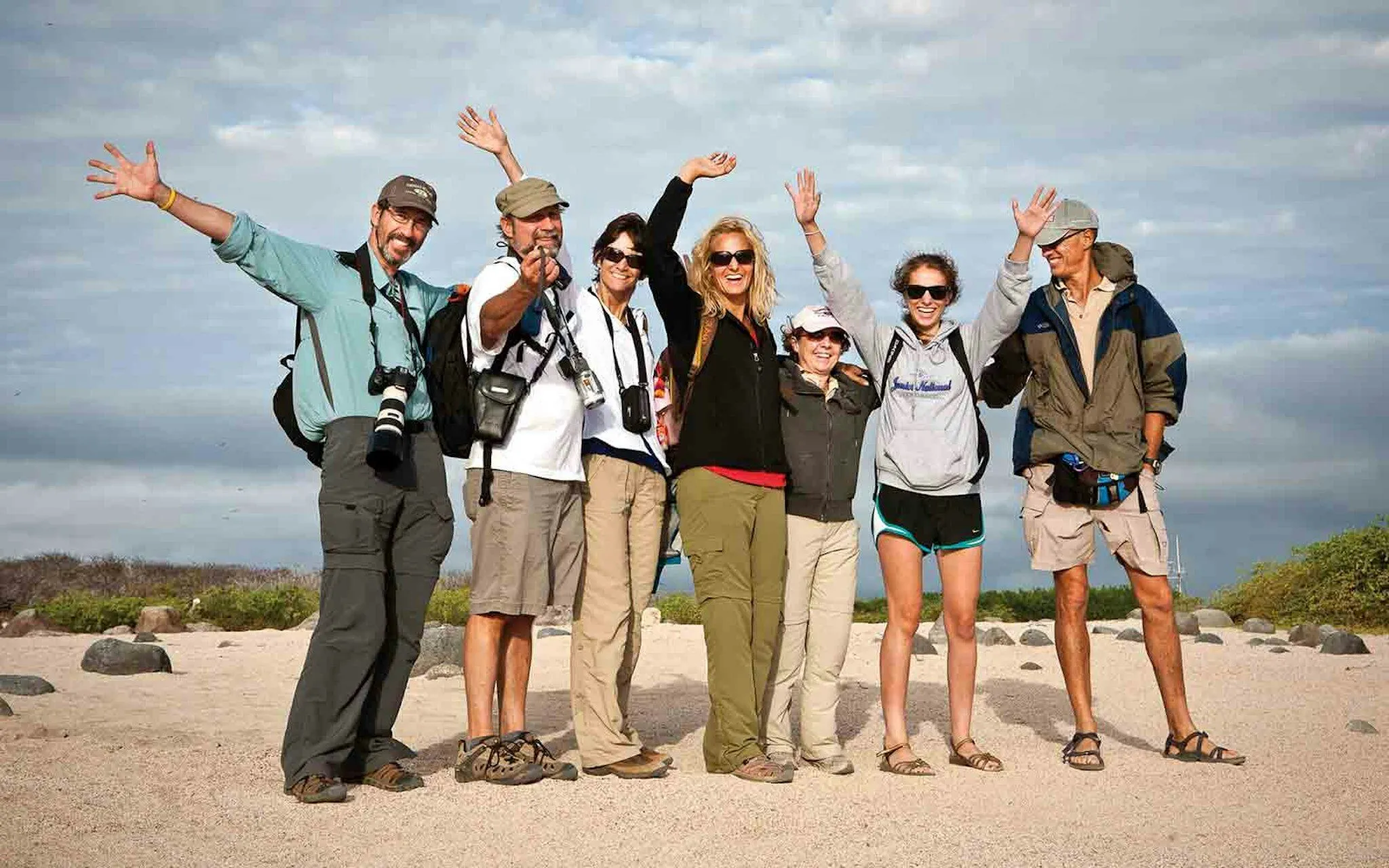
Small Group Travel
Whether you’re traveling solo, with a partner, or with friends, join one of our over 500 scheduled departures where you’ll travel in the company of like-minded adventurers. They love being engaged, energized, and inspired. Each with their own story to tell, they make fascinating and entertaining travel companions. You may just come home with a new travel buddy. Plus, with an average of 8 to 10 guests per scheduled group, you’ll have unparalleled access to your expert guides and the space to enjoy your adventure free from the limitations of a tour bus.
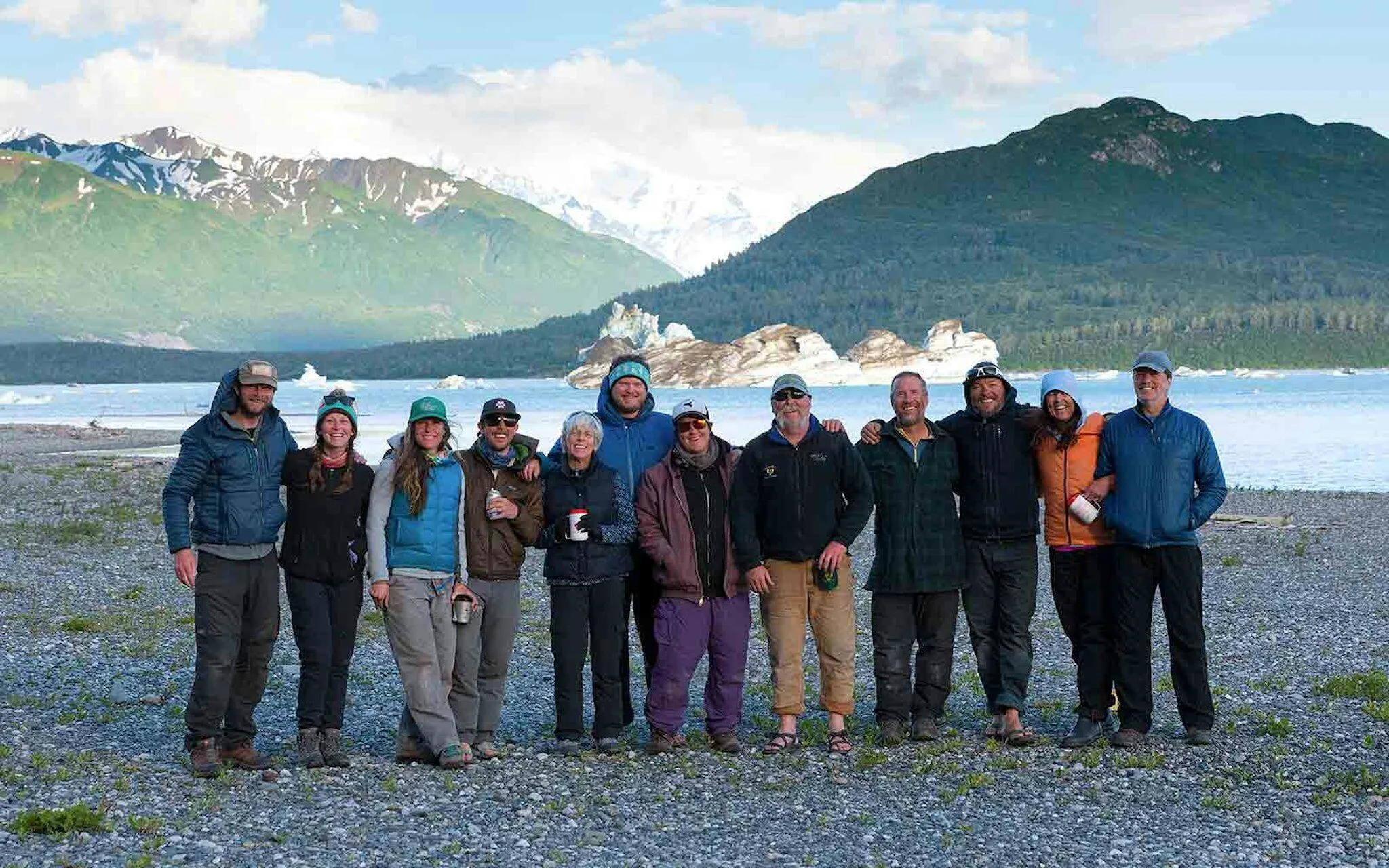
Private Adventures
Private adventures with MT Sobek are perfect for those travelers who enjoy the privacy and flexibility of traveling on their own but want the peace of mind that comes with having all the logistics handled by experts. Most of our itineraries can be made private. We offer hundreds of itineraries and dates that your group can easily take over, or, if the date you’re looking for isn’t available, we’ll make it happen for you.
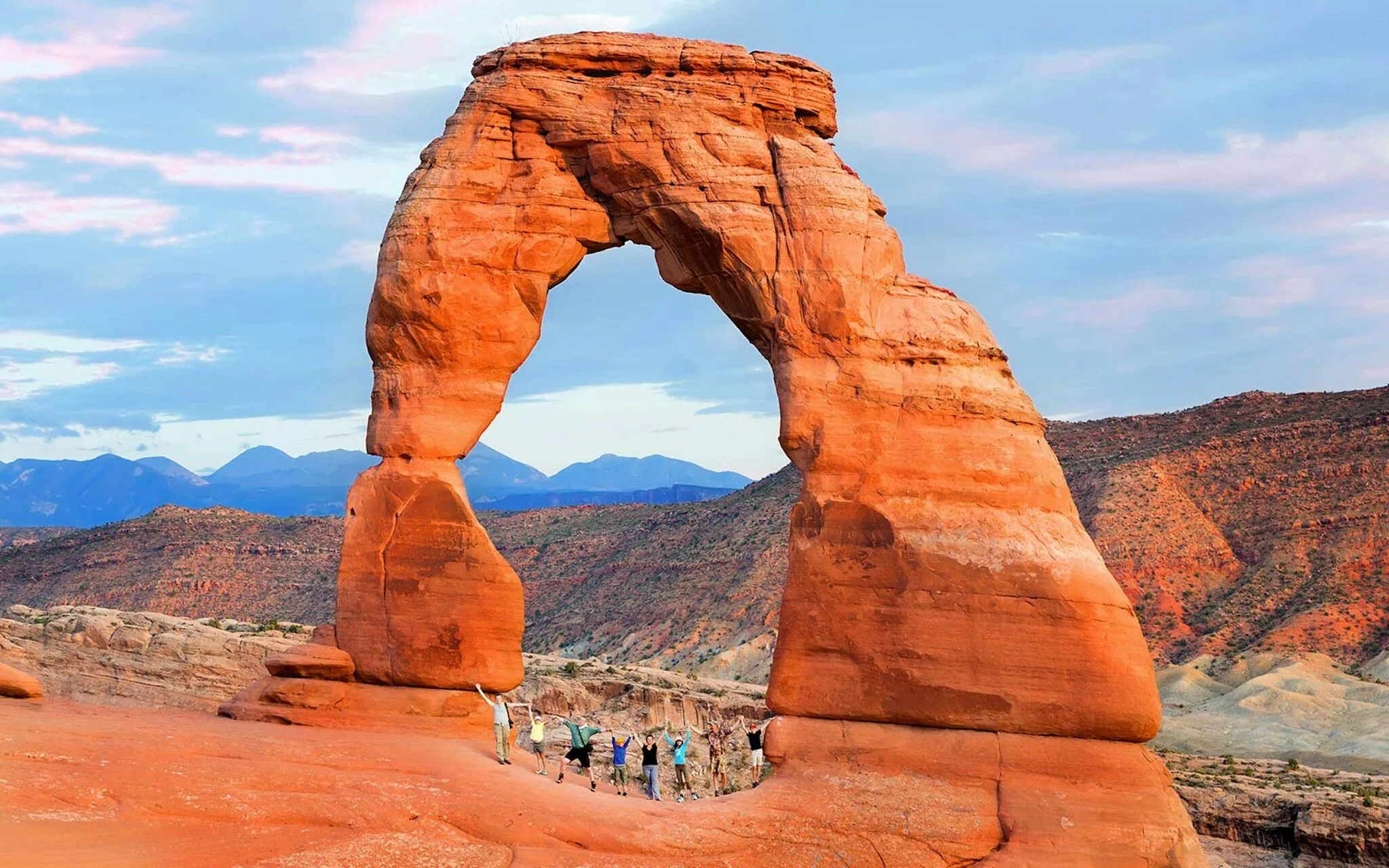
Custom Adventures
Whatever the occasion—family reunion, milestone celebration, an ultimate road trip with friends, we can make your dream trip happen. Experience MT Sobek’s blend of insider access and adventure style on an itinerary exclusively created for you and your family, colleagues, or friends. We have a dedicated team of Custom Trip Specialists.
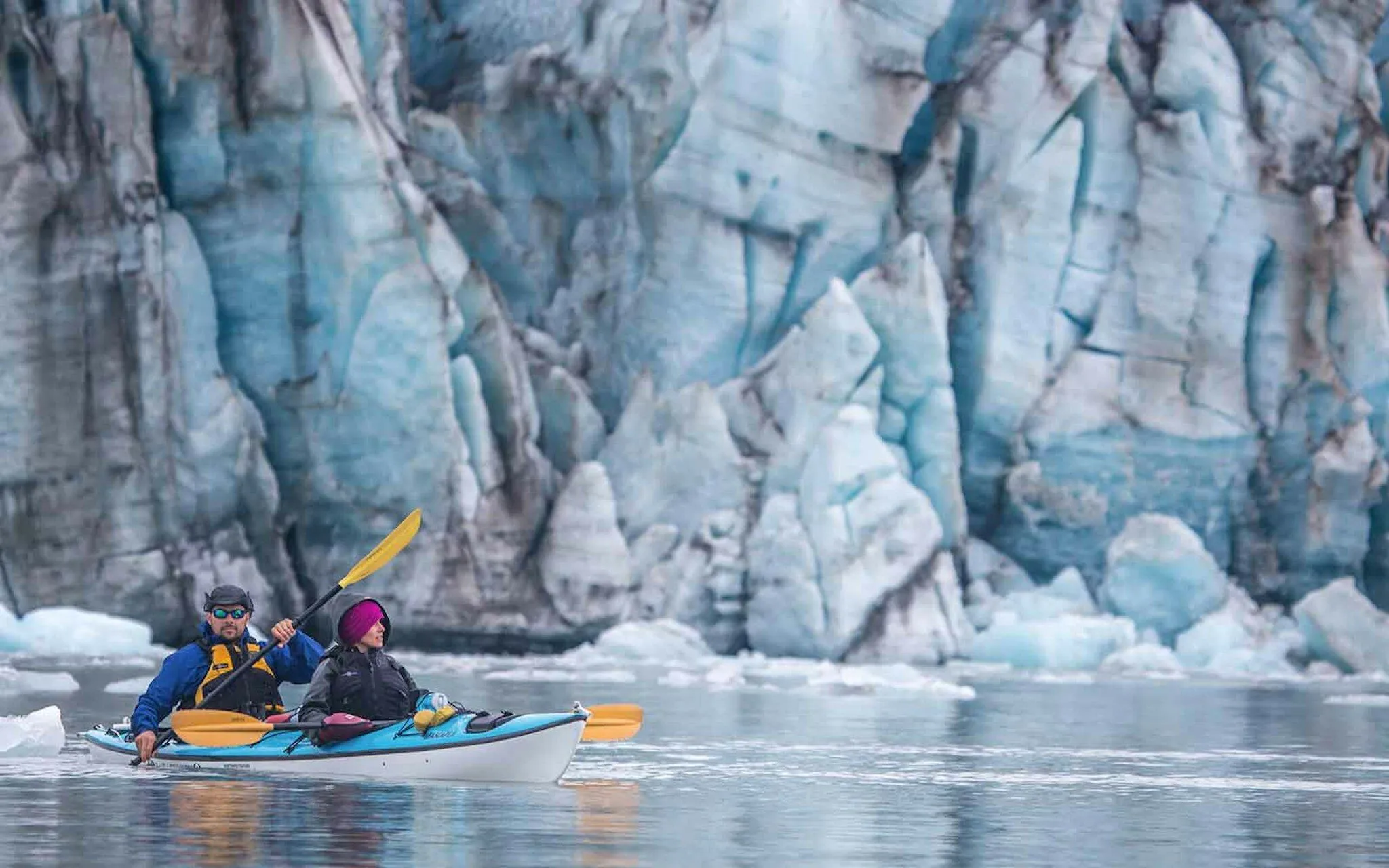
Solo Travelers
Small group travel is perfect for solo adventurers looking to explore with like-minded people. Right from your first meeting, you’ll be amazed at how quickly you start to bond with your fellow travelers. No matter where they come from, it turns out that simply having a shared love of travel really brings people together. Whether you’re on the trail, watching wildlife, or enjoying a meal around a family table, there are plenty of opportunities to share stories and talk about highlights from the day.
From luxury hotels to rustic lodging, deluxe camping to wilderness camping, check out our full range of accommodation styles. Some trips may include a combination of styles, expertly picked for the destination.
Hotels at the Heart of Adventure
Where else to stay when visiting the Grand Canyon but perched on the North Rim of this natural wonder? How better to appreciate the fjords of Norway than to slumber in a brightly colored fisherman’s cottage by the water’s edge? Or to spot the “Big Five” from your luxury safari camp’s private veranda? We seek out small boutique hotels and lodges that treat you to the “must-have” experiences of the region.

Luxury Hotels
Revel in pure luxury at our hand-picked 5-star hotels—some of the most exquisite properties on the planet. With excellent amenities and services, including restaurants and wellness facilities, these accommodations are consistently top-rated by guests and provide an ultimate pampered experience.
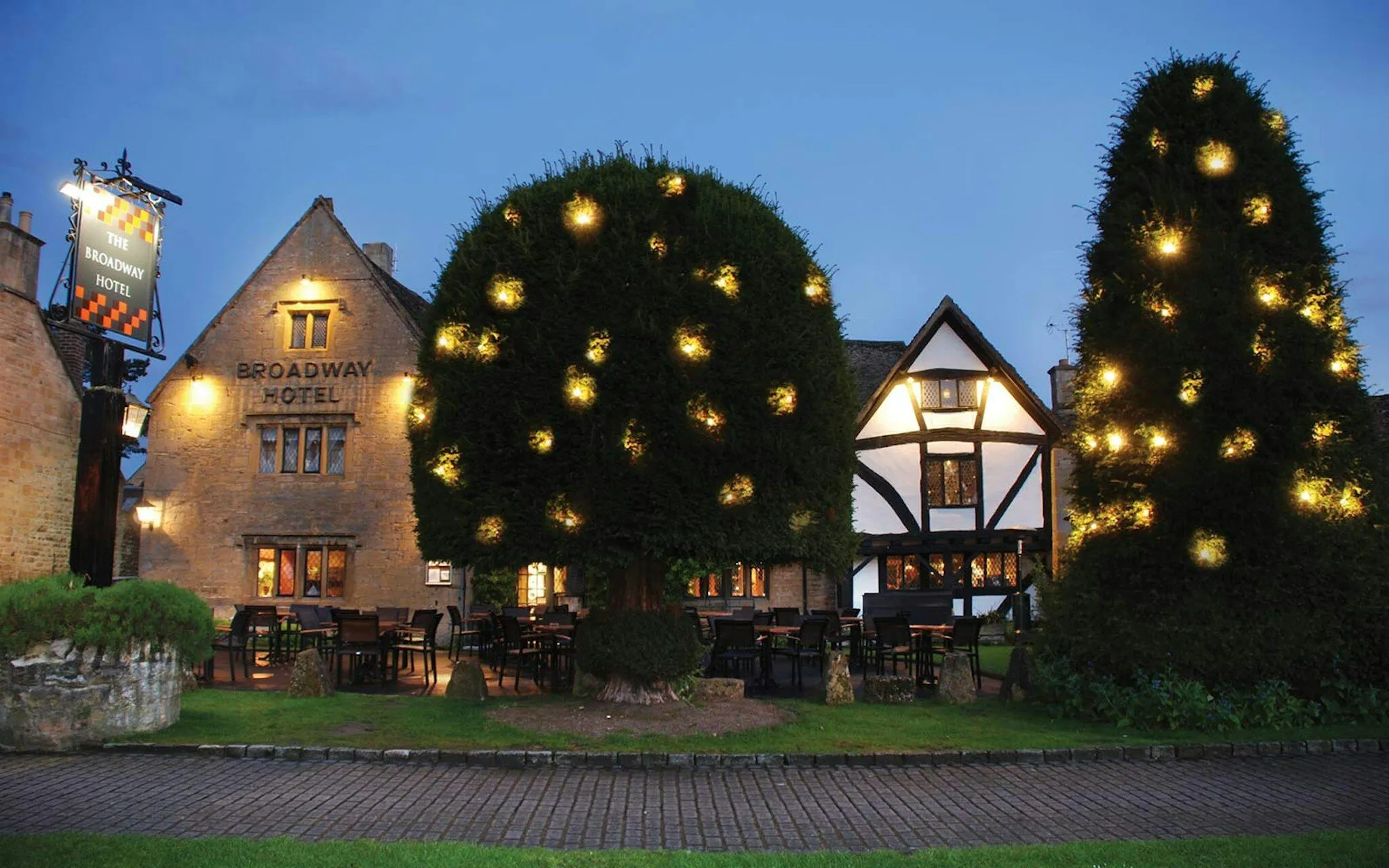
Comfortable Hotels
The majority of our properties include small hotels and inns with a local flair. Well-appointed with modern amenities, many are family-run, adding to their character and charm. In some destinations, properties are chosen for their proximity to National Parks, wildlife and nature and are more basic.
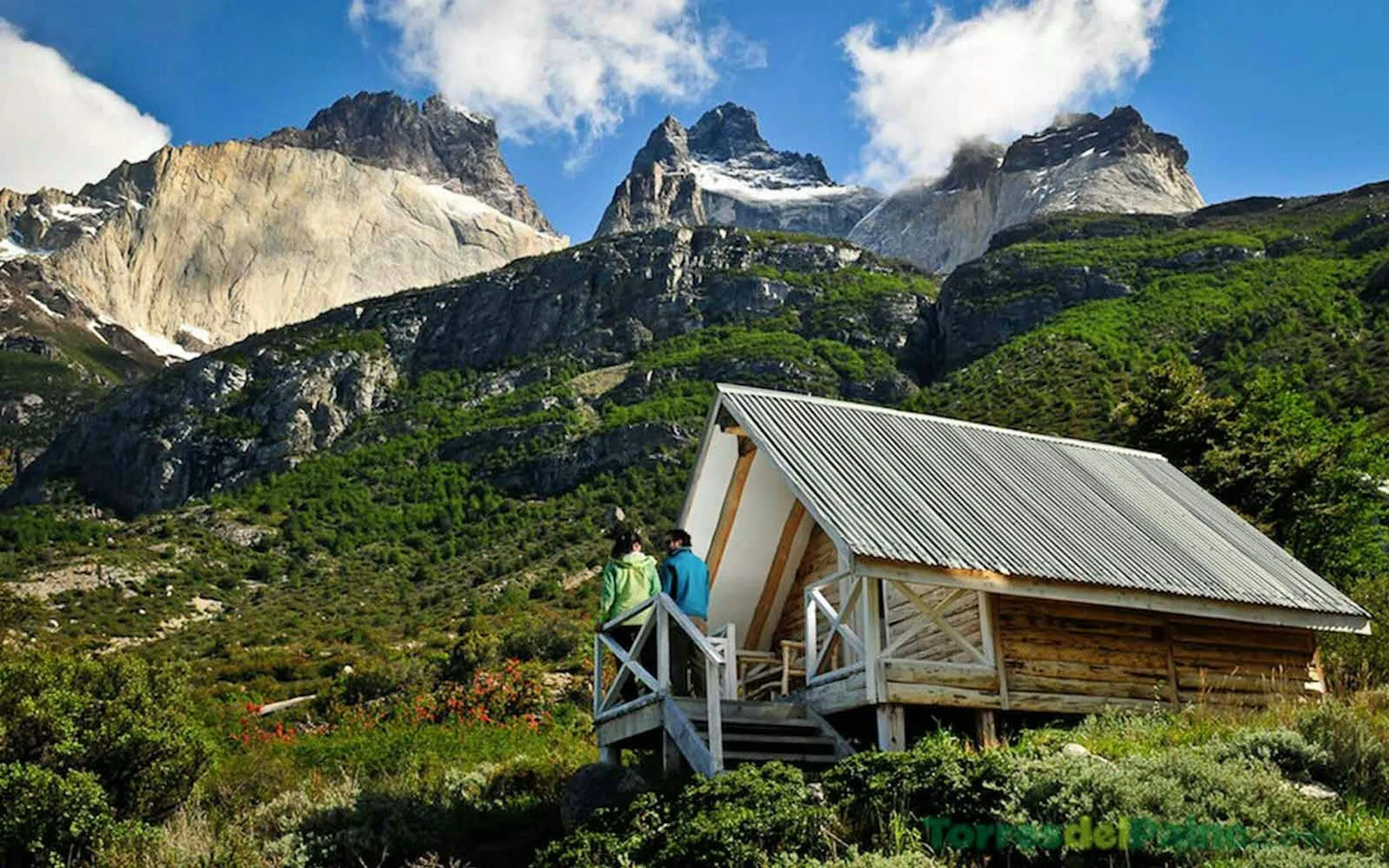
Rustic Lodging
Our rustic lodgings category includes remote lodges, mountain huts, homestays, guesthouses, gers, and fixed Bedouin camps. These accommodations may include bunk rooms and shared bathroom facilities. They truly get you to the heart of the destination.

Luxury Safari Camps & Lodges
We work with the finest African safari camps and global eco-lodges to bring you an ultimate experience that embodies the romance of adventure travel. We choose award-winning and top-rated accommodations with excellent amenities and services, including beautifully appointed safari tents and cabins.
Adventure Camping
The only way to experience some of our most remote mountain and river destinations is to camp. Everest Base Camp, Kilimanjaro, the Middle Fork of the Salmon River—some of our most popular adventures—include at least five nights of camping. However, the type of camp set up can be different, depending on the destination’s remoteness and how easy it is to transport gear. Here are our three main camping styles.

Deluxe Camping
- Roomy tents
- Mattresses with linens
- Dining table and chairs
- Guides prepare meals
- All set up for you
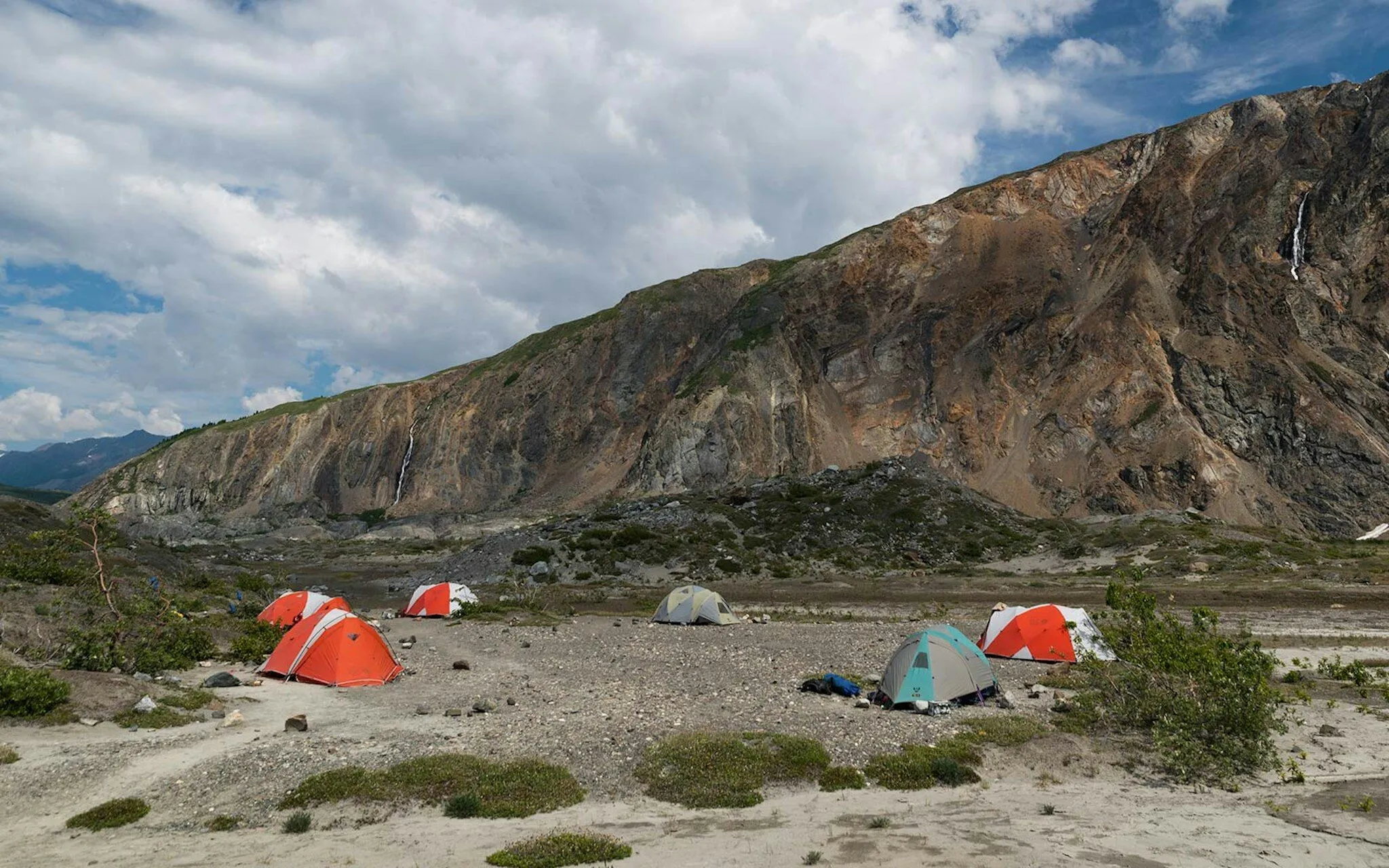
Comfortable Camping
- Roomy tents
- Sleeping bags and pads
- Dining table and chairs
- Guides prepare meals
- Some camp work may be required

Wilderness Camping
- Trekking tents
- Sleeping bags and pads
- Guests help set up camp
- Guides prepare meals
Expedition Cruising
Over the years, we’ve found that adventure cruising aboard a nimble small ship or deluxe yacht gives our guests an intimate expedition-like experience with maximum flexibility. We can navigate narrow waterways, pull right into private coves, and get you onshore quickly. No waiting in long lines to get off the boat and no crowds once you get on shore!
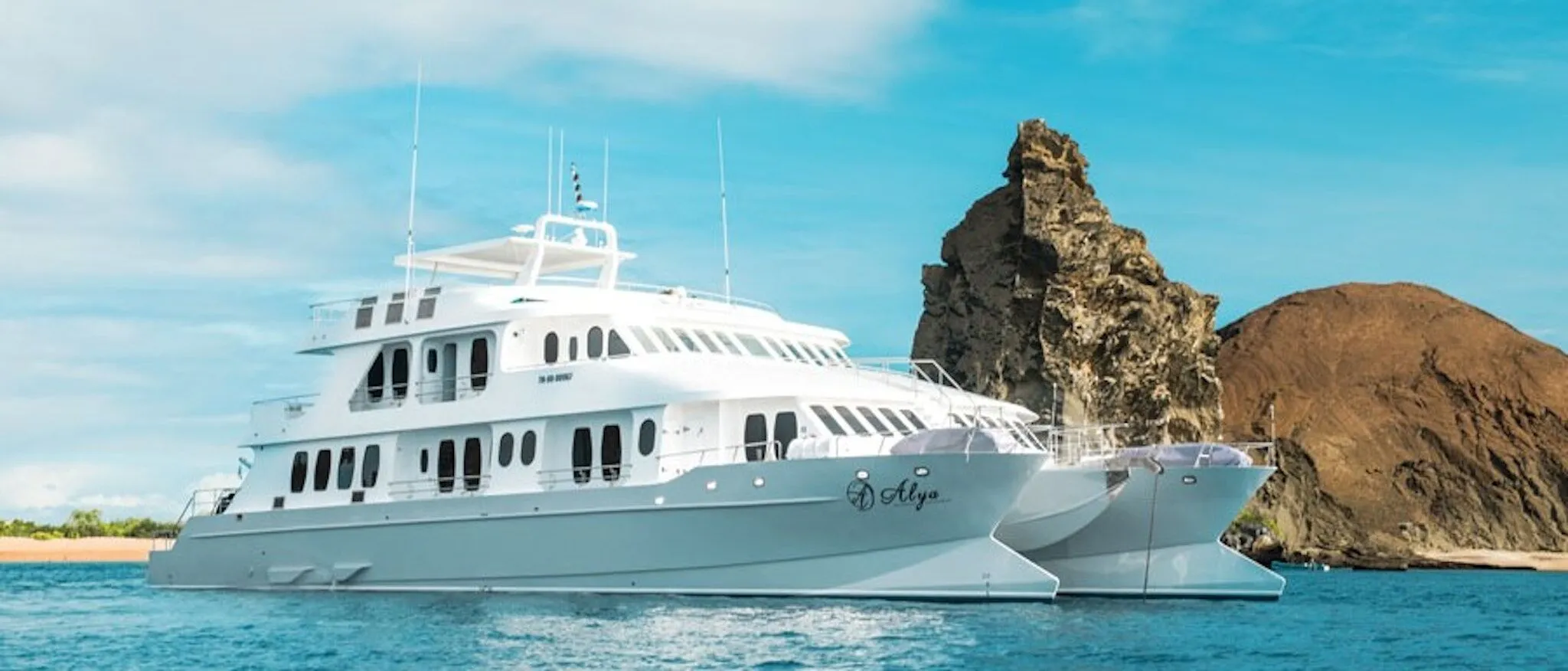
Luxury Small Ship
Enjoy a luxurious 5-star cruise aboard modern vessels with elegant interior designs that enhance your onboard experience. Our luxury Galapagos ship, the Endemic, carry a maximum of 16 passengers, while polar expedition ships such as the Magellan Explorer carry up to 70 passengers. These ships include spas, bars, climate-control en-suite rooms, and an abundance of state-of-the-art equipment for ultimate cruising. Our guide to crew ratio is guide and crew service is world-class.
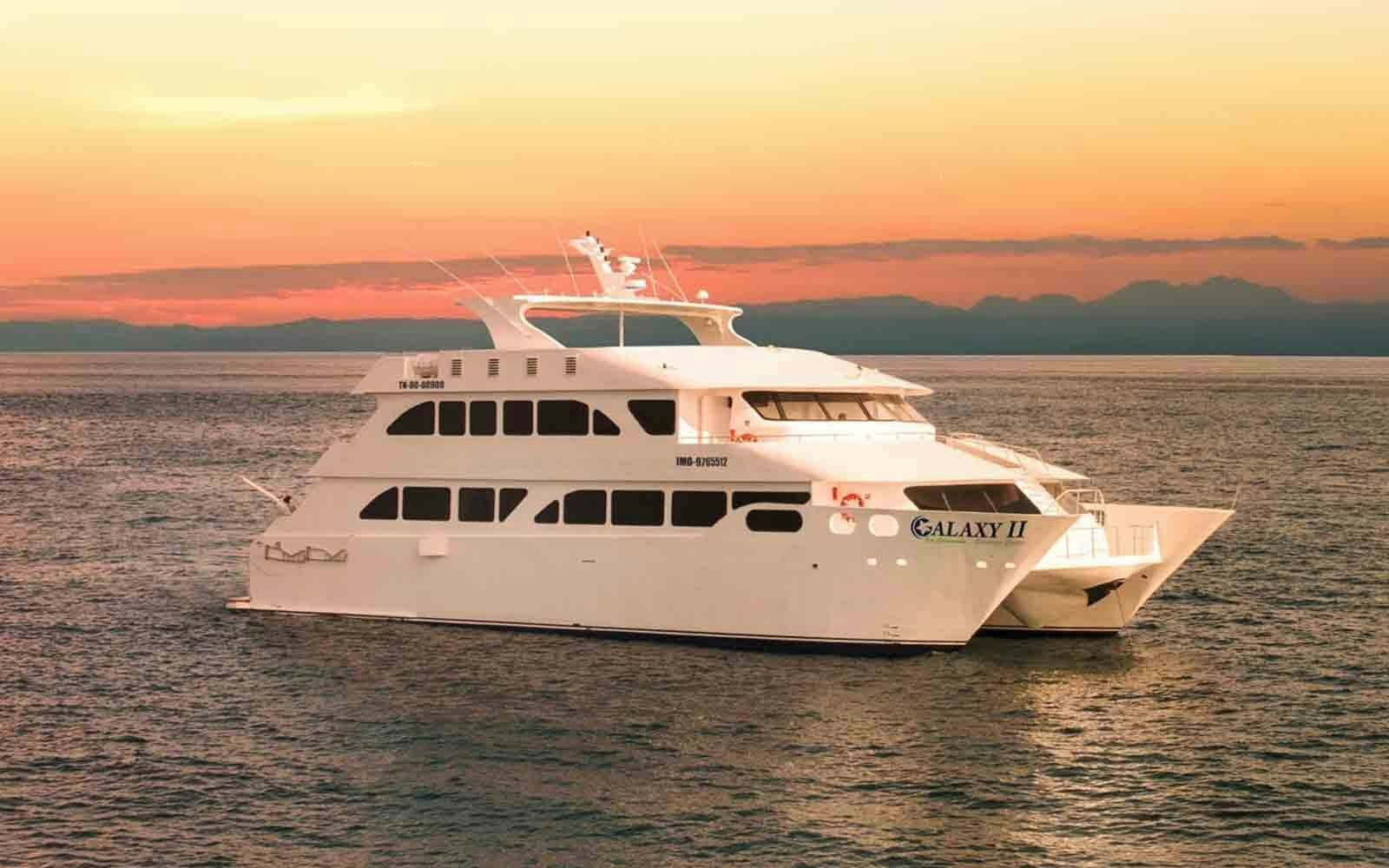
Comfortable Small Ship
Our comfortable 3 and 4-star ships are well-designed for relaxation and all equipped with modern amenities. Aboard you’ll enjoy en-suite amenities, air-conditioning, attractive dining, bar and lounge areas, and outdoor decks for viewing the scenery. Whatever star rating of ship you choose, you can be assured of the same world-class guide and crew team, and a first-rate experience.
Our adventures are categorized by activity levels from 1 to 5. Level 1 trips are the easiest, Level 3 trips are moderate, and Level 5 trips are our most strenuous—perfect for those seeking the ultimate challenge. We also offer new flexible trips featuring activities rated at Level 2 or Level 3, providing two activity options to match your preference on the day! For all trips, we encourage you to review the activity level and read the detailed activity overview for your chosen itinerary to ensure you’re fully prepared for your adventure.
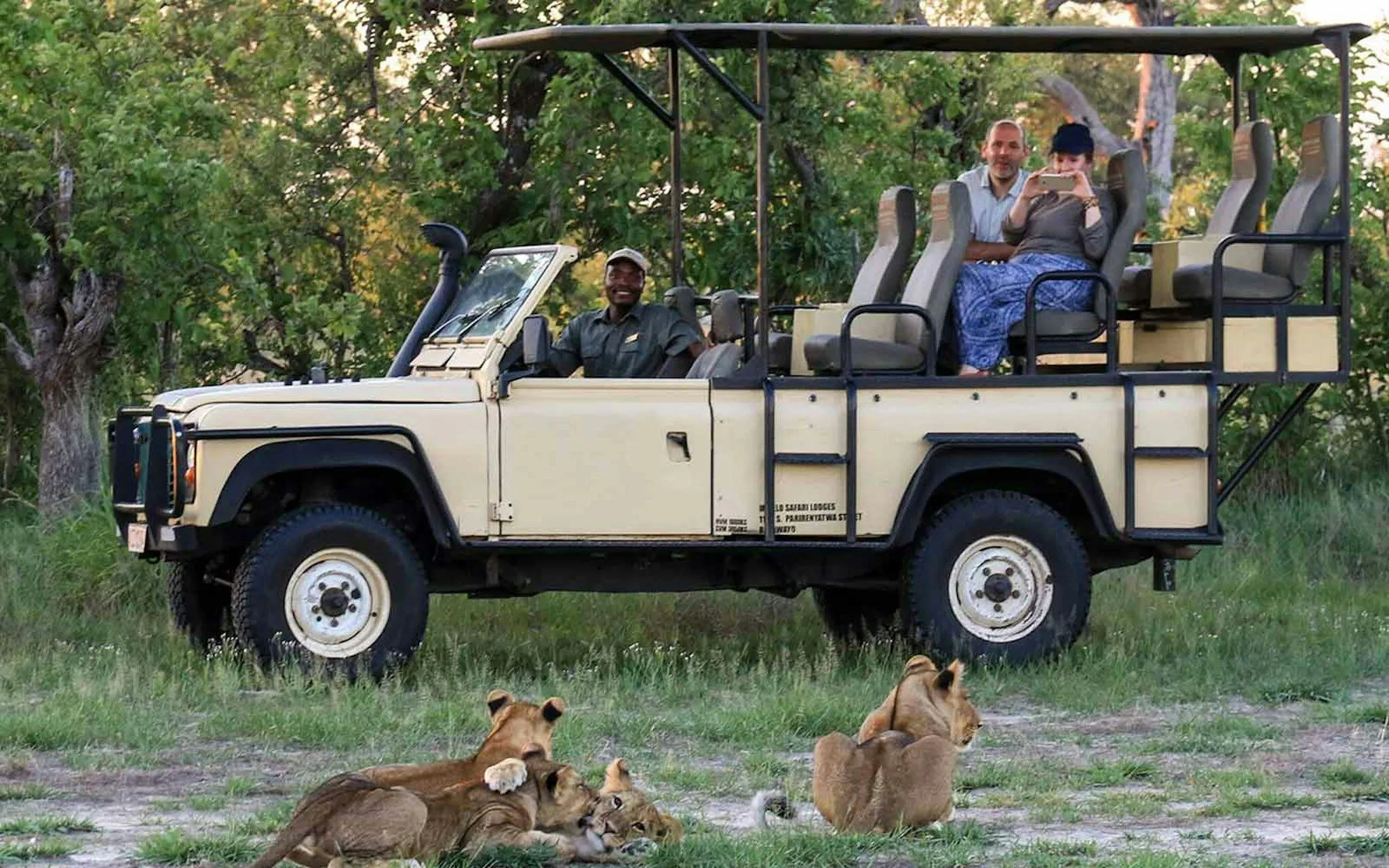
Easygoing – Level 1
Our most relaxed style of travel. Come prepared with flexibility and a spirit of adventure. Activities may include game drives along dusty or bumpy roads, canoe rides or river floats, sailing, or walks of up to 30 minutes on flat terrain. Trail conditions may include cobblestones, pavement, gravel, or dirt paths. On some days you may be on your feet for much of the time.
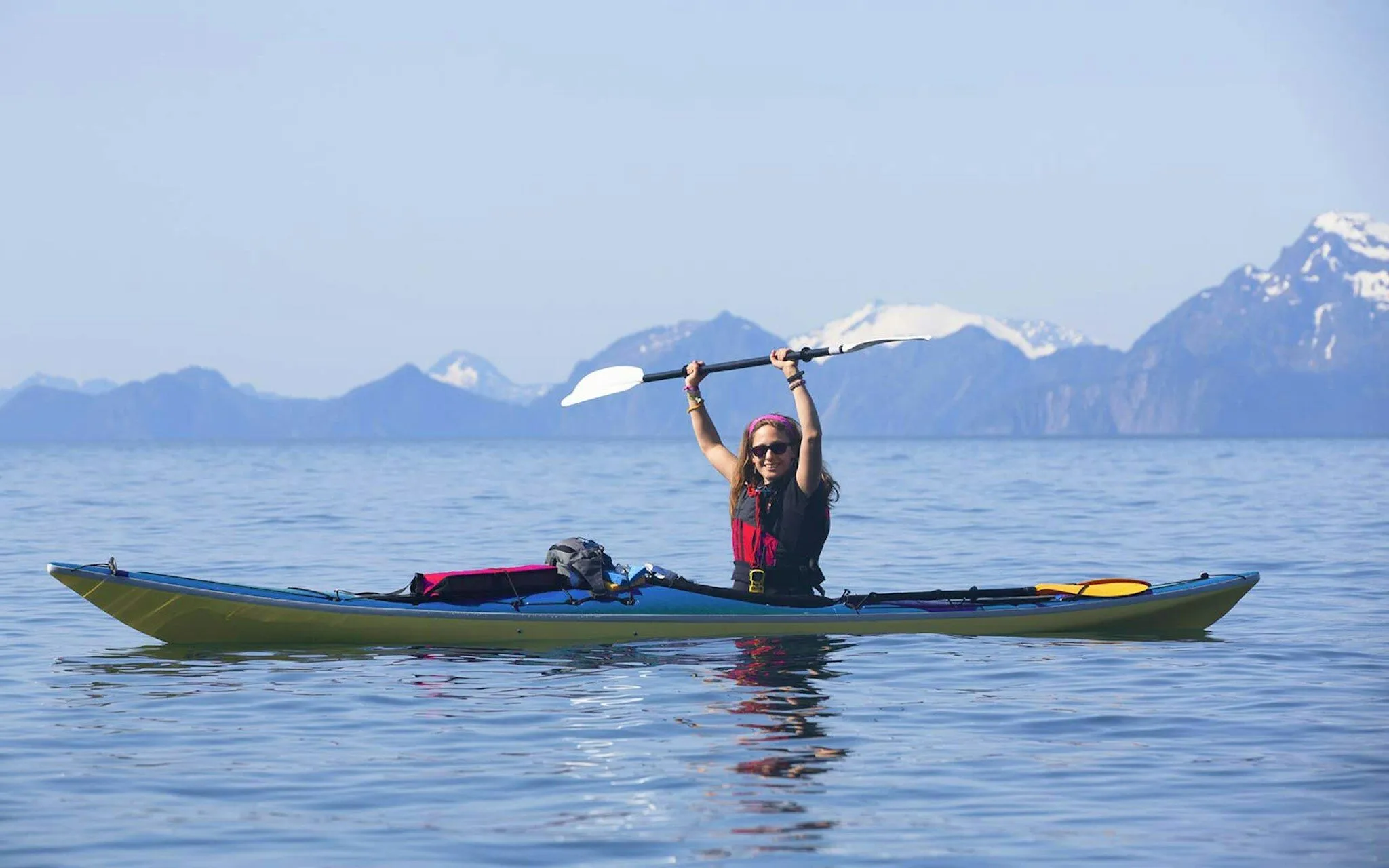
Easy-to-Moderate – Level 2
Active trips are appropriate for most travelers. You don’t need any previous kayaking, hiking, or other experience, but should be in generally fit condition. Trips may include short hikes or walking of up to 3 hours at elevations below 6,000 feet, sea kayaking in protected waters, or river rafting on Class I-II rapids.
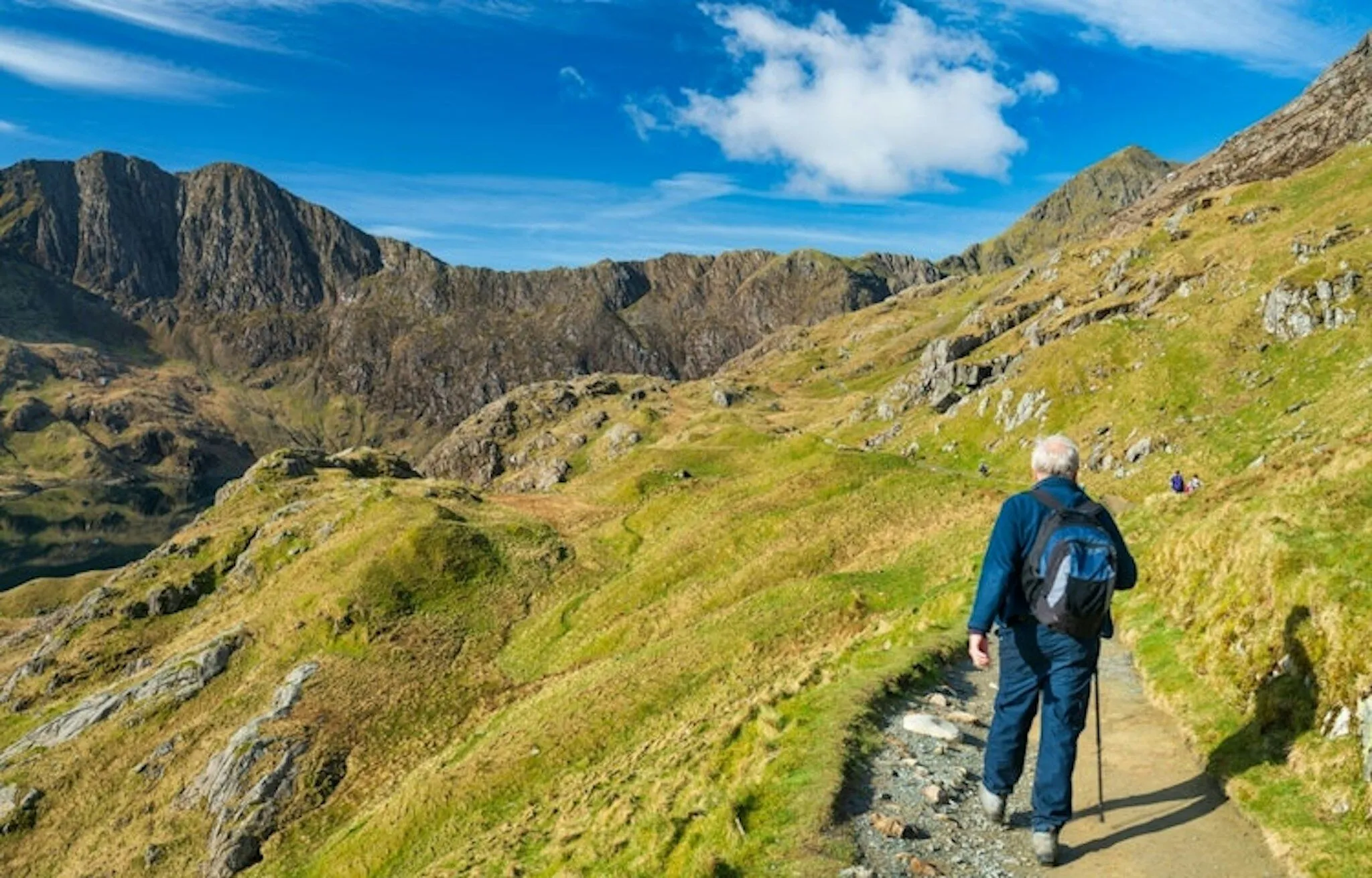
Multi-Level – Level 2 & 3
These flexible trips are perfect for travelers seeking a range of activity levels, from easy to moderate, with two options to suit your preference and energy on the day. This type of trip also enables you to travel with friends who are more, or less, active than you, and either start or end the activity together. For example, Level 2 guests may choose a 3-hour hike while Level 3 guests may choose a 6-hour hike. This variety ensures that there’s something for everyone, whether you’re looking for a leisurely experience or a bit more of a challenge. No matter your choice, you’ll enjoy breathtaking scenery, unforgettable adventures, and plenty of time together as a group.
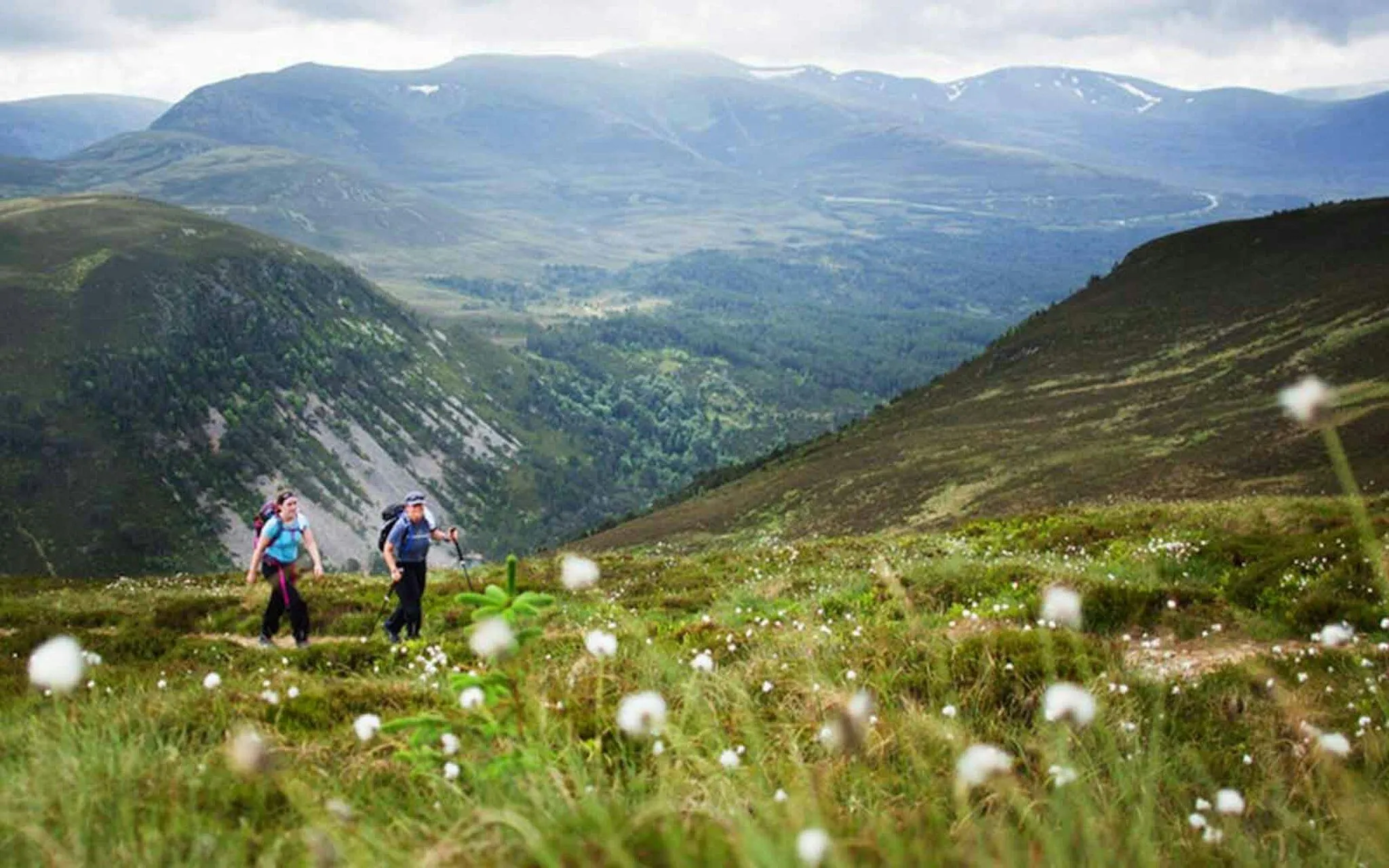
Moderate – Level 3
The majority of MT Sobek trips. These typically include 3 to 6 hours of physical activity per day, such as rafting or wilderness camping. Eight to ten-mile hikes can reach up to 10,000 feet and may include some steep ascents or descents. River rafting trips include Class III rapids and sea kayaking trips to visit protected waters.
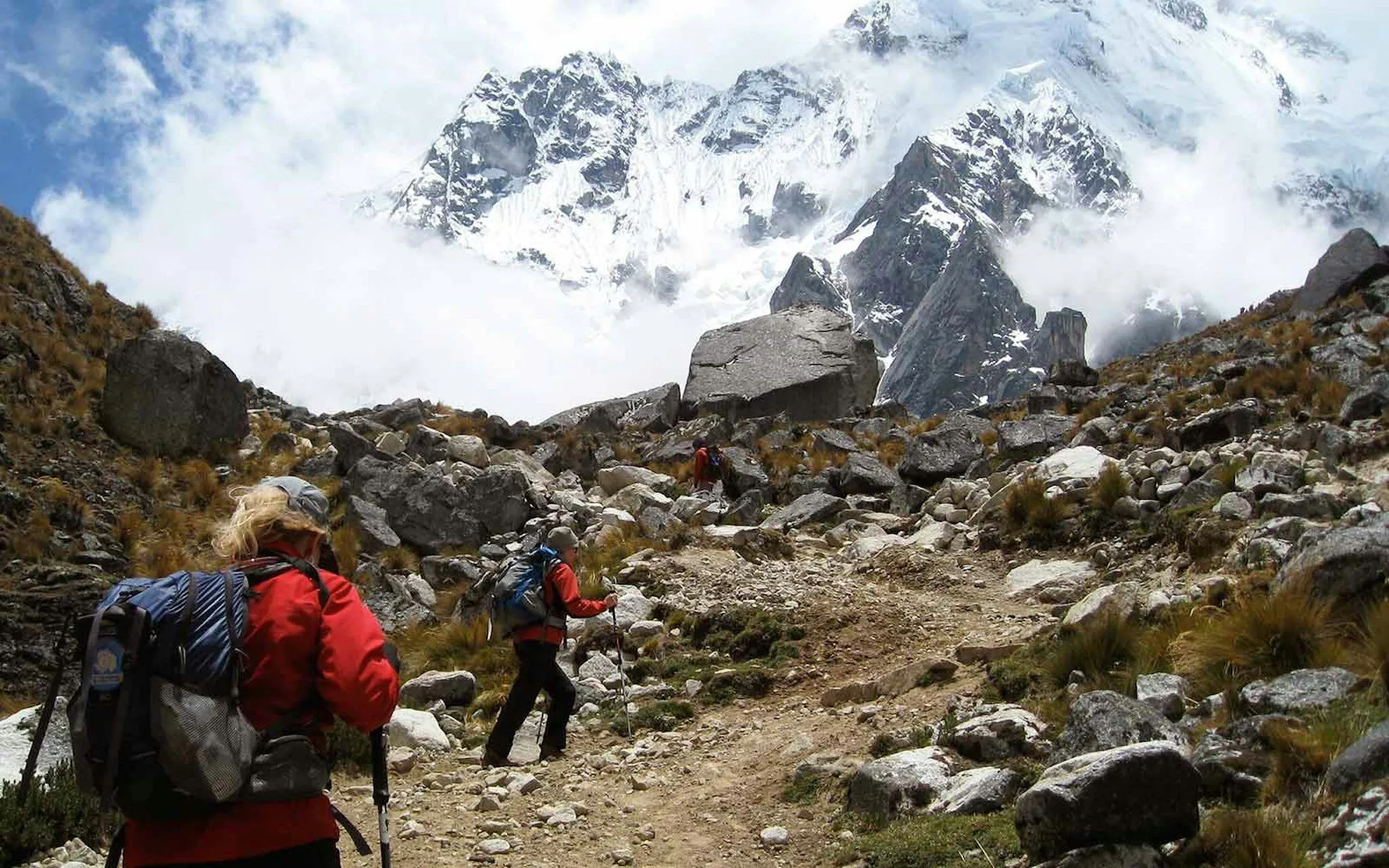
Moderate-to-Challenging – Level 4
Trips for experienced travelers seeking full days of activity and a higher level of physical challenge. Hikes and treks of up to 14 miles and 4,000 feet of elevation gains and losses per day cover steep, sometimes rugged terrain, potentially into areas of exposure and elevations exceeding 10,000 feet. River rafting trips include Class IV-V rapids; sea kayaking trips include 4 to 5 hours of paddling per day in areas of open water with waves and tides.
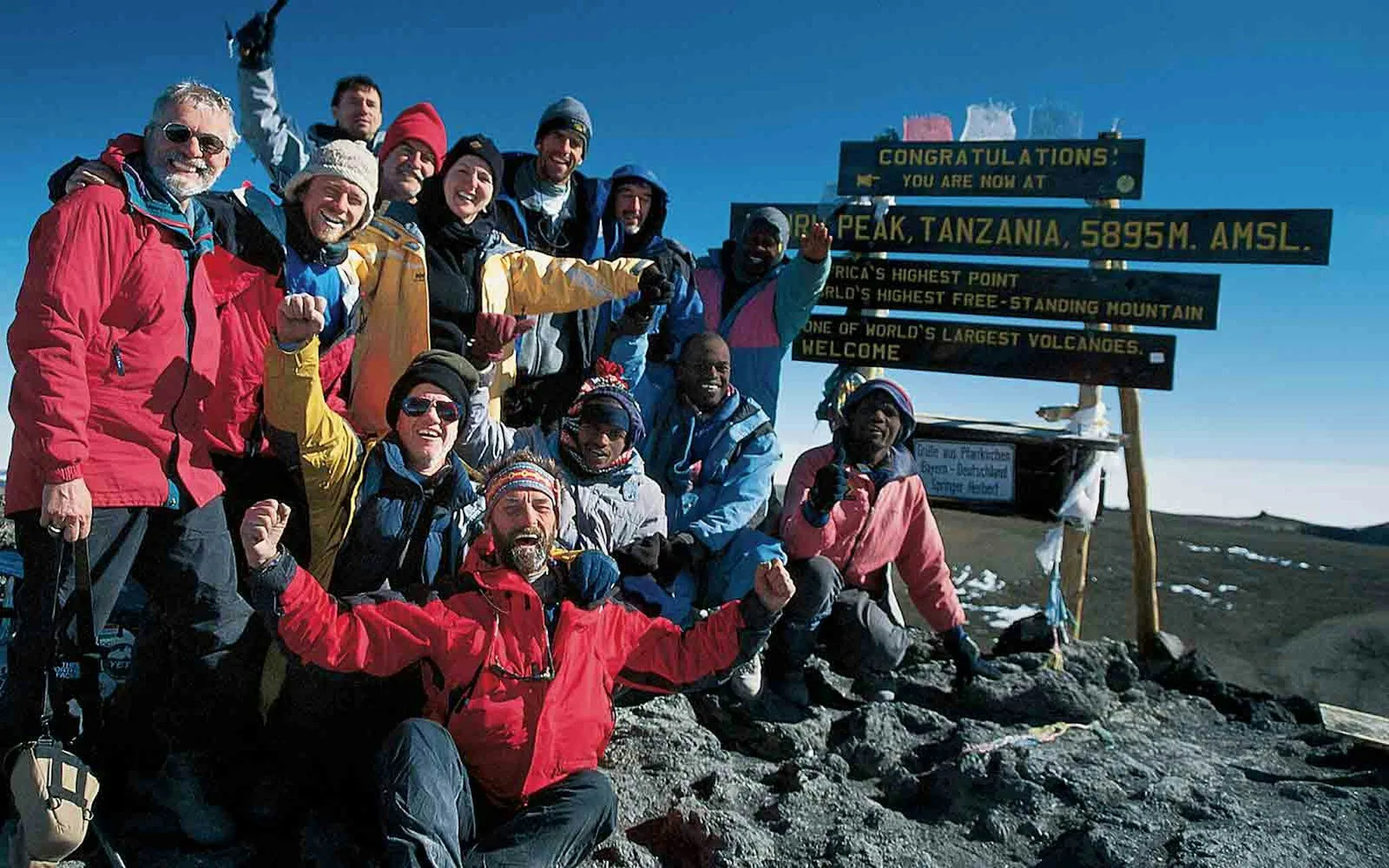
Ultimate Challenge – Level 5
Our most demanding trips for guests seeking a physical challenge. Trips include trekking without vehicle support over steep, often rugged terrain at elevations over 10,000 feet. Daily hikes of up to 12 hours or more may include substantial altitude gains and losses into remote areas of wilderness. River rafting trips include Class IV-V rapids and areas where portaging is needed. Previous experience, as well as a completed physician’s certificate, is required.
We Are Committed to Sustainability
At MT Sobek, sustainability isn’t just a principle; it’s woven into the very fabric of how we operate. We don’t simply observe the world’s unique cultures and fragile ecosystems—we take an active role in their preservation. Supporting organizations dedicated to environmental conservation and community well-being is part of our DNA. Over the years, we have contributed over half a million dollars to conservation efforts and volunteered hundreds of hours to initiatives like Yosemite Facelift. Our programs work to ensure that the wild and beautiful places we visit will continue to thrive, with a special emphasis on sustainable practices and positive social impact. From funding reforestation projects to supporting local artisans, our commitment to sustainability goes hand-in-hand with unforgettable adventure.

Protect The Galapagos
MT Sobek is proud to support the Galapagos Conservancy by making an annual conservation investment to its Santiago Society program. Galapagos Conservancy is dedicated exclusively to the long-term protection of the Galapagos Islands, and collaborates closely with the Charles Darwin Foundation, the Galapagos National Park, and many other institutions that are committed to the conservation of the entire archipelago.

Save the Tiger
MT Sobek guide Brian Weirum has made saving tigers his life’s mission and we are proud to support the Fund For the Tiger, raising over $300,000 to help tiger conservation in India and Nepal. The fund aims to address the threats faced by these majestic big cats and ensure their survival for future generations.
Kilimanjaro Porters Assistance Project
We are proud to work with the Kilimanjaro Porters Assistance Project (KPAP), based in Moshi, Tanzania, to improve the welfare and conditions for all Kilimanjaro porters. KPAP is an initiative of the International Mountain Explorers Connection (IMEC).
American Himalayan Foundation
Since our first treks in Nepal in 1969, Mountain Travel Sobek has worked with Himalayan communities to help support their way of life. We are also proud supporters of the American Himalayan Foundation which brings shelter, safety, education, health, and opportunity to people across the Himalaya. The AHF opens doors to education and health care, builds stronger communities, and works in a way that respects both tradition and innovation.

Dolma Ling Nunnery
As part of our philanthropic endeavors, we are proud supporters of the Tibetan Nuns Project at the Dolma Ling Nunnery & Institute in Dharamsala, northern India. The Tibetan Nuns Project provides education and support to refugee nuns from Tibet and to nuns from the Himalayan regions of India.
High Atlas Foundation
The High Atlas Foundation (HAF) empowers Moroccan communities through sustainable development. Focused on education, women’s empowerment, and environmental stewardship, HAF fosters local leadership to drive impactful change. From planting trees to building schools, their initiatives improve livelihoods while preserving cultural heritage, creating lasting opportunities for underserved rural and urban populations.

Preserve Alaska
The Alaska Conservation Foundation is the only public foundation solely dedicated to conservation in Alaska. The ACF’s vision is for an inspiring Alaska that is naturally thriving, biologically and culturally diverse, rich in wildlands, bountiful in terrestrial and marine life, sustainable in its economic development and thoughtfully protected—forever. MT Sobek supports the ACF by sharing their mission and vision with generations of adventure travelers.
National Park Foundation
As the official nonprofit partner of the National Park Service, the National Park Foundation generates private support and builds strategic partnerships to protect and enhance America’s national parks for present and future generations. We are proud to support the National Park Foundation to help sustain over 400 national parks in the USA, preserving 85 million acres of the world’s most treasured landscapes, ecosystems, and historical sites.
National Park Service
MT Sobek is proud to be an authorized concessionaire of the National Park Service and a permitted outfitter under the National Forest Service and Bureau of Land Management. We always follow Leave No Trace principles and seek to drive awareness of fragile ecosystems to help support their long-term sustainability.

Western Rivers Conservancy
MT Sobek is proud to support Western Rivers Conservancy, an organization dedicated to protecting and preserving the vital rivers of the American West. With a shared passion for safeguarding the natural world, MT Sobek aligns with WRC’s mission to conserve critical habitats, secure public access to waterways, and ensure the sustainability of these lifelines for future generations. Together we’re working to make a meaningful impact on the preservation of our rivers.
Alianza Cero Basura
Alianza Cero Basura offers innovative solutions for sustainable living in Baja California Sur. It promotes waste reduction, recycling, and environmental education, providing tools and resources to empower communities. By fostering collaboration and eco-conscious practices, the hub inspires impactful change toward a zero-waste future.
Adventure Travel Conservation Fund
MT Sobek is proud to be a member of the Adventure Travel Conservation Fund (ATCF), an international nonprofit focused on funding on-the-ground conservation projects around the world. The ATCF is committed to protecting wild destinations and provides members in the travel and outdoor industry an avenue to directly advance critical projects that protect people, species, cultures, and places.

Ride 4 a Woman
We are proud to support Ride 4 a Woman, a charitable organization that empowers the women of Bwindi, Uganda More than 300 women from 11 villages now use or work at the Ride 4 a Woman community center, where they can learn to pedal sew, weave baskets, dance, sing and drum; learning new skills, making a living and making it possible for their children to gain an education.

Community Rhino Conservation Initiative
We are proud to support the Community Rhino Conservation Initiative to help benefit the communities and wildlife of Hwange National Park in Zimbabwe. The CRCI has re-introduced rhino to this part of Zimbabwe in a highly secure and sustainable way to eventually accommodate a viable population of free roaming black and white rhino.
Exito Planet Care Ambassador Carbon Offsetting
We are proud to work with Exito travel to book flights for our guests. Exito is a Planet Care Ambassador, committed to taking concrete steps to minimize travelers’ flight impacts on the environment by fully offsetting carbon emissions.
Reason #01
Since 1969, MT Sobek has led adventure travel across the world's most storied mountain destinations, building a reputation for exceptional guides, thoughtful itineraries, and experiences that go deeper than the standard tour.Reason #02
MT Sobek has led treks on Kilimanjaro since 1974 and holds a 98% summit success rate, the highest on the mountain!
Reason #03Expect highly qualified guides, full emergency equipment, nourishing meals (with fresh vegetables, even at high elevation!), and two pre-trek nights at a private acclimatization camp at 6,000 feet.
ActivitesHike 3 to 8 miles per day through cloud forest and alpine desert, tackle the legendary Breakfast Wall, enjoy a game drive, and camp under vast African skies.
LodgingAccommodation ranges from a deluxe acclimatization camp with canvas-style tents set in a lush national park to well-equipped high-altitude camps with four-season dome tents built for whatever the mountain throws at you.
ClimateWarm and sunny in the bush, with occasional showers. On Kilimanjaro expect the full range, including dramatic temperature swings by elevation, wet days, cold nights, and the possibility of snow at any time of year.Trip Overview
What makes MT Sobek’s Tanzania Climb Kilimanjaro Lemosho Route Trekking trip unique?
Our exceptional trek offers an immersive, expert-led journey up the most scenic route on Africa's highest peak. Combining a high guide-to-guest ratio with an unparalleled acclimatization schedule, this trip offers you a supportive and deeply rewarding mountain challenge. From lush cloud forests to a rare high-altitude overnight at Crater Camp overnight, every detail builds a foundation for success.
Unrivaled Summit Success: We have been guiding treks on Kilimanjaro since 1974 and maintain a 98% summit success rate, which is the highest on the mountain.
The Complete Scenic Route: The beautiful Lemosho Route showcases five distinct ecological zones, traversing the expansive Shira Plateau, the dramatic Barranco Valley, and the non-technical 1,000-foot scramble up the Breakfast Wall.
Optimal Acclimatization Structure: Our 11-day itinerary includes an entry night at 6,440 feet on Mount Meru's slopes and a unique overnight at Crater Camp at 18,800 feet. Resting here means your final dawn summit bid requires just a short 540-foot ascent, completely sparing you from the typical, grueling 4,000-foot midnight climb faced by teams launching from lower staging camps.
Unmatched Trail Support: Guests hike with an exceptional guide-to-client ratio of one licensed, Wilderness First Responder-certified guide for every three guests, backed by a minimum of five porters per person.
The region's primary dry seasons are when weather conditions on the mountain are typically most favorable, and we schedule our departures to coordinate with these windows. Kilimanjaro features its own highly variable weather system, making a multi-layered clothing system essential as you trek through shifting temperatures across dramatically different elevations.
June-October: This main winter dry season features clear skies in the bush and daytime temperatures between 7,500 feet and 12,000 feet ranging from the 30s to 60s°F, with nights dropping to 10°F. Higher elevations present a spectacular alpine landscape holding a heavier frozen snowpack on the ground at the summit.
December-March: This summer window offers pleasantly warm days with daytime highs typically in the 80s°F in the bush. Mountain temperatures average 5 to 10 degrees warmer than winter, though sudden summit snowfall remains possible.
The typical group size for this trip is between 4 and 12 guests, creating an experience that feels personal, relaxed, and thoughtfully paced. Small group travel allows everyone to share moments that make a journey truly memorable.
Keeping our groups intentionally small lets you enjoy an intimate connection with your companions and the surrounding landscape. It also allows the group to remain nimble on the trail while ensuring our expert team can provide attentive care and dedicated safety monitoring throughout the entire climb. What is the minimum age for this trip?
The standard minimum age for this trip is 18. This itinerary is designed with adult travelers in mind, based on daily activity levels, accommodations, and the overall group experience. Families or groups with younger children should check out our private departures .
What makes this a Level 5 trip?This ultimate challenge rating reflects the demanding combination of high-altitude trekking and multi-day expedition camping. Guests must navigate steep, rugged terrain at extreme elevations. This requires excellent physical conditioning, cardiovascular endurance, and overall preparedness to handle prolonged exertion across consecutive active days.
Extreme Altitude Environment: The trek ascends through thinner air into very high and extreme altitude zones, reaching a maximum elevation of 19,341 feet at Uhuru Point where oxygen levels drop significantly.
Sustained Daily Hiking: Hiking times range between 6 and 10 hours per day.
Massive Vertical Shifts: The expedition demands navigating 13,000 vertical feet of climbing and descending, including a steep 3,600-foot gain on Day 9 to Crater Camp and an 8,800-foot descent on Day 10.
Rugged Alpine Terrain: Hikers encounter varied terrain that requires surefootedness, including loose volcanic gravel, steep scree, ice fields, and slippery surfaces, and a challenging 1,000-foot non-technical scramble requiring three points of contact up the steep Barranco Breakfast Wall.
Weather Exposure: Mountain conditions are highly unpredictable with a likelihood of severe wind chill and extreme nighttime temperatures that regularly drop below 0°F at high camps, along with potential year-round snowfall.
We plan the itinerary carefully, but adjustments may be needed due to weather, trail conditions, or other factors. MT Sobek and our guides make thoughtful decisions when needed in real time to keep the experience safe and enjoyable, and any significant changes will be communicated as early and as clearly as possible.
On Kilimanjaro, the weather system is exceptionally variable and impossible to predict, which means shifts in trail safety, route conditions, or local logistics can occur. Our expert guides evaluate conditions constantly to manage safety on the mountain, and real-time adjustments may impact our vehicle transfers, specific camp locations, or daily activity timing. We appreciate your flexibility and spirit of adventure as we navigate the mountain safely together. What are the differences between the Machame, Lemosho, and Northern Circuit trips?
We design our three distinct paths up Kilimanjaro to offer varying balances of time, scenery, and solitude, though all share our exceptional safety standards and expert guiding. Here is how they compare across key logistics:
Machame Route: Known as the "Classic Climb," this is a 10-day total itinerary with eight days spent on the mountain. It enters from the southeast slope via the Machame Gate at 5,380 feet. On arrival day, guests are provided a transfer directly from JRO airport to our private Itikoni Camp at 6,440 feet for two nights of acclimatization before heading to the Machame gate to begin the trek. This route was made popular by the renowned Kilimanjaro IMAX film and includes the exhilarating Breakfast/Barranco Wall scramble on Day 6. It is the shortest of our Kilimanjaro offerings while still providing considerable acclimatization time.
Lemosho Route: Celebrated as our "Scenic Western Traverse," this 11-day itinerary provides eight days on the mountain. It begins with a picturesque traverse of the Shira Plateau, starting at a higher elevation of 7,545 feet for a gentler early ascent through pristine forest. To help guests adjust from international flights, it builds in a recovery night at a comfortable lodge on arrival day and adds a game drive in Arusha National Park on Day 2. It offers a gentler approach in the early days of the ascent towards the summit while still having the same number of days on the mountain and acclimatization time.
Northern Circuit: This "Grand Traverse" is our most remote and longest itinerary, spanning 12 days total with nine days on the mountain. It shares the western forest entry with Lemosho at 7,545 feet then breaks away to circumnavigate the mountain's more remote northern and eastern slopes. You will find fewer trekkers along this lesser-trodden route. It bypasses the Breakfast/Barranco Wall entirely to trace a 360-degree loop over an incredible alpine desert landscape. Like Lemosho, it includes an arrival recovery night at a comfortable lodge and a game drive. It provides an extra day of acclimatization as it allows more time to reach the summit and is the only route that gives trekkers unparalleled views of all four sides of the mountain.
No. Our guests' safety is our number one priority, and our decades of experience have proven that acclimatization is key. Shorter routes do exist, but generally have a lower summit success rate and higher potential for injury and illness due to the faster pace and quicker ascent.What makes MT Sobek the best company to climb Kilimanjaro with?
With over five decades of heritage, MT Sobek provides an unmatched foundation of safety and mountain expertise:
A Founding Mountain Legacy: We are the pioneers of adventure travel. Leading commercial treks on Kilimanjaro since 1974, we are among the first operators responsible for opening this historic peak to our guests.
The High Success Rate: Our carefully crafted Kilimanjaro experiences include ample acclimatization before and during the trek. This contributes to achieving an incredible 98% summit success rate—while keeping your safety as our number one priority—compared to compressed 6-day routes that fail 50 to 60% of the time.
Our Crater Camp Advantage: Virtually no other operator utilizes Crater Camp (18,800') as a standard overnight stop. By eliminating the exhausting midnight summit slog from below, our guests enjoy stunning panoramic sunset views at camp, and a much shorter ascent to the summit the following morning, in time for sunrise.
Rigorous In-Field Safety Protocols: Our expert guide teams carry advanced safety gear on every single departure, including portable hyperbaric chambers, supplemental oxygen cylinders, and satellite phones. We also perform mandatory pulse oximetry checks to record your blood oxygen saturation at every camp, every morning and evening.
Unrivaled Guide Tenure: Our local guides are true career professionals who are recertified annually in Wilderness First Response (WFR) and Wilderness First Aid (WFA). Our senior leaders have guided with us for 10 to 20+ years, each personally commanding well over 100 to 200 successful summit bids.
Ethical Porter Advocacy: We are long-standing partners of the Kilimanjaro Porters Assistance Program (KPAP). We guarantee top-tier fair wages, clean mountain clothing, and healthy meals, ensuring your crew is treated with genuine dignity. MT Sobek holds a bi-annual meeting with all porters and KPAP staff to evaluate our performance and porter care standards. Due to strict porter welfare regulations, your trekking duffel can weigh at most 28 pounds (or a maximum of 36 pounds including the porter's outer carry bag, provided sleeping bag, and pad).
Where does the trip start and end?
The trip officially starts and ends in Arusha, Tanzania. Guests arrive at Kilimanjaro International Airport (JRO) on Day 1 and return there for their departing flights on Day 11.What airport should I fly into and out of?
You should fly into and out of Kilimanjaro International Airport (JRO) in Tanzania.
When should I book my flights?Once your reservation with MT Sobek is finalized, we'll notify you of your trip's status. After your departure is confirmed to operate, flights and travel arrangements may be purchased. While we can often confirm departures in advance, some decisions may be finalized closer to final payment.
We strongly advise checking directly with your Adventure Coordinator before purchasing any non-refundable air arrangements. For expert assistance with your flight plans, we recommend reaching out to Exito Travel at 800-655-4053 or via email at mtsobek@exitotravel.com. When should I plan to arrive and depart?
Once your booking is finalized with MT Sobek and your trip has been confirmed to operate, flights may be purchased. If you are unsure of the status of your trip, be sure to check with your Adventure Coordinator prior to booking non-refundable flights.
Arrival: Plan your flight to arrive at Kilimanjaro International Airport (JRO) after 8:00 pm on Day 1, keeping in mind that our complimentary group transfer is scheduled to meet the KLM flight from Amsterdam arriving at 8:00 pm or 8:45 pm (depending on the season).
Departure: You can schedule your departing flight from Kilimanjaro International Airport (JRO) after 7:00 pm on Day 11 of the itinerary, coinciding with our complimentary evening group transfer that connects with the KLM flight to Amsterdam departing at 9:05 pm or 9:50 pm (depending on the season).
Upon landing at Kilimanjaro International Airport (JRO), an MT Sobek representative will meet you in the arrivals area to welcome you. If you are arriving on the KLM flight from Amsterdam at 8:00 pm or 8:45 pm (depending on the season), you can join our complimentary group transfer directly to the property. Please see Section C below for additional information on transfers and refer to your Final Details, sent about three weeks before departure, for precise meet-up instructions and your arrival contact information.What hotels do you recommend if I arrive early or stay late?
If you plan to arrive early or extend your stay in the region, we can book additional nights for you at either our camp in Arusha National Park or at KIA Lodge, as well as extra activities. Please note that you will need to arrange a private transfer. Our Ngorongoro Crater & Serengeti Safari Extension is a great way to extend your trip post-climb, if you are considering spending more time in Africa. Your Adventure Coordinator can share current pricing, availability, and tailored lodging options.
Do I need a passport or visa for this trip?A valid passport is required to enter Tanzania. Most countries require that passports be valid for at least six months beyond the end of your trip and contain at least one blank page for entry stamps.
US citizens need a visa to enter Tanzania. Non-citizens should consult their local embassy or consulate to confirm current entry requirements. The current fee for US citizens is $100 for a 12-month multiple-entry tourist visa, which can be obtained on arrival or in advance.
If you choose to get your visa on arrival, the payment must be made in cash using exact change with new, clean, crisp US dollar bills (larger denominations preferred) that have no tears or markings, preferably issued after 2016. This airport process involves passing through three separate queues to obtain a government control number, pay the fee, and have the visa issued, which typically takes 1 to 2 hours.
Alternatively, you can apply for an Electronic Visa (eVisa) online in advance. Please note that eVisas can take between 2-6 weeks to issue, though travelers with eVisas generally move through immigration more quickly than those obtaining visas on arrival. Your Adventure Coordinator will provide visa application details.
Proof of yellow fever vaccination is required if traveling from Kenya or other countries where the disease is endemic, including 12+ hour airport transit and layovers in these countries.
Transportation and TransfersAre airport transfers included?
A complimentary group airport transfer is included for specific windows. On Day 1, a group transfer is scheduled to meet the KLM flight from Amsterdam arriving at 8:00 pm or 8:45 pm (depending on the season). On Day 11, a group transfer is timed to coincide with the KLM flight to Amsterdam departing at 9:05 pm or 9:50 pm (depending on the season).
If you arrive or depart on different flights or outside these designated times, airport transfers are not included in your land cost, but you may take KIA Lodge's complimentary shuttle between the airport and the lodge, about a 5-minute drive time; alternatively, our team can help arrange a private transfer for an additional fee. Your Adventure Coordinator can provide details for both options.
Yes, we are happy to help arrange private transfers if your travel schedule falls outside our complimentary group transfer windows. Please notify your Adventure Coordinator well in advance with your exact flight details so that our local team can secure a vehicle for you. Private transfers carry an additional fee, and your Adventure Coordinator can provide current pricing and arrangement details based on your specific needs.How much time will we spend in vehicles during the trip?
The vast majority of this trip is entirely on foot, with the exception of the 2-hour transfer to Arusha National Park and half-day game drive on Day 2. You can also expect a 1-hour drive to the trailhead on Day 4 and a 1.5- to 2-hour drive back to Arusha after descending the mountain on Day 11. Because local gravel and dirt roads can be extremely rough and full of deep potholes, these transfers are slow-paced but provide an authentic African bush experience.Are there any especially long travel days?
On Day 2, there is a two-hour drive to Arusha National Park followed by an approximately four-hour game drive in the park. Otherwise, there are no especially long vehicle travel days on this itinerary. Driving transfers are generally short and direct, between one and two hours.Fitness, Terrain and Trail Expectations
How difficult is the activity on Tanzania Climb Kilimanjaro Lemosho Route Trekking?
This is an exceptionally demanding Level 5 expedition designed for experienced hikers with strong cardio endurance, who have trained for this trek. The itinerary requires navigating up to 8 miles per day on rugged mountain trails, with daily trekking times ranging from 6 to 10 hours at high elevation.
Extreme Elevation Demands: Trekking occurs entirely at high altitude starting at 7,830 feet with a continuous ascent to the summit at an altitude of 19,341 feet, where the air is thin and conditions are more challenging.
Sustained Endurance Required: The climb features 13,000 vertical feet of both ascent and descent, a demanding 3,600-foot gain on Day 9 to Crater Camp and an 8,800-foot descent.
Challenging Footing and Scrambling: Hikers must cross varied alpine terrain including steep volcanic gravel, loose scree, ice fields and slippery surfaces, and execute an invigorating 1,000-foot non-technical scramble requiring three points of contact up the steep Barranco Breakfast Wall.
Wilderness Camping: Guests face consecutive days of backcountry activity with two nights of comfortable camping and seven nights of rustic camping at high altitude, meaning your body must be thoroughly conditioned to recover overnight without standard hotel amenities.
Participants must be experienced hikers who have been training for this trek. Because this is an ultimate challenge Level 5 expedition featuring nine days of remote high-altitude camping, having previous outdoor camping experience is also strongly recommended. Guests must arrive in excellent physical and mental condition, fully prepared for a challenging trek in mountain environments that can be very unpredictable.How should I train or prepare for Tanzania Climb Kilimanjaro Lemosho Route Trekking?
Preparing for this ultimate challenge requires a minimum six-month training program focused on building exceptional cardiovascular endurance and leg strength. Training must emphasize back-to-back active days and weighted-pack outdoor hiking to simulate mountain conditions, ensuring your joints and muscles are fully prepared for the extensive vertical climbs and descents.
Dedicated Timeline: Begin your customized training routine at least 6 months before your scheduled departure date.
Aerobic Consistency: Commit to steady cardio workouts 3 to 5 times each week, maintaining each session for 40 to 60 minutes at a target heart rate of 65% to 90% of your maximum capacity.
Weekly Endurance Hikes: Complete a full-day outdoor trail hike at least once a week, and as you get closer to your trip try to work in a few multiple-day hikes to simulate the back-to-back days of hiking on the trip.
Weighted Pack Progression: Hike using the daypack you plan to wear on the trek filled with the essentials you would normally carry (layers, water, snacks, etc.). Add weight starting with 5 pounds (can be bags of rice) and increasing it in 2- to 3-pound increments up to 20 pounds.
Downhill Muscle Focus: Prioritize explicit downhill training to prepare your knees and joints for the rapid 13,000-vertical-foot descent over two days. If you don't have access to hills, you can carry some weight in your backpack and train on a Stairmaster or take the stairs.
While this is a non-technical trekking expedition with no specialized climbing maneuvers required, you will encounter rugged alpine terrain and sections of distinct trail exposure. Above the tree line, paths become exposed and rocky, crossing loose volcanic gravel, steep scree slopes, and potential snow fields near the summit massif. The most notable challenge is the famous Breakfast Wall, an exhilarating 1,000-foot scramble that requires using your hands but remains completely non-technical. Our expert, licensed guides manage group pacing meticulously and provide direct, confidence-building physical and mental support during any sensitive or tentative stretches of exposure.Can I move at my own pace?
We hike as a group with regular breaks. Guides help manage pacing so everyone can hike comfortably while maintaining safety and group cohesion.What if I want to skip a day?
All guests should come thoroughly prepared to complete the entire itinerary as designed. Once the trek begins on Day 4, you'll move point-to-point between remote high-altitude camps that are only accessible on foot, meaning there is no option to skip a day or ride in a support vehicle if you are tired. If you're unable to proceed during the trek, you will need to be evacuated. Our guides are always there to assess well-being, but arriving fully trained is the best way to ensure you enjoy every step.How much free time will I have?
Once we arrive at each high-altitude camp in the afternoon, you will have downtime to settle into your tent, rest, change layers, and connect with your fellow travelers. Evenings are focused on nourishing group dinners in our custom dining tent and prioritizing early sleep to allow your body to acclimate and recover.Does this route hike up the Barranco Wall (Breakfast Wall)?
On Day 8, your itinerary features the climb up the Barranco Wall, also known as the legendary Breakfast Wall. This exciting stretch is a non-technical, 1,000-foot scramble requiring three-point contact that stands out as one of the most memorable and rewarding adventure moments on the southern approach.What is the summit day like?
Because MT Sobek climbers overnight at Crater Camp (18,800'), your summit day is entirely different from the more common summit day experience. Instead of waking just after midnight to begin a more than 3,000-foot ascent in darkness, you will begin your summit trek just before dawn, undertaking a shorter 541-foot vertical ascent to the true summit at Uhuru Peak (19,341'). This final push takes approximately two hours, timing your arrival perfectly to stand on the "Roof of Africa" at sunrise. After celebrating your achievement and taking in the panoramic views, you begin the long, steep descent trail down the mountain, stopping to refuel at Barafu Hut before continuing down to your final high-altitude campsite at Mweka Camp, nestled at 10,170 feet.Accommodations and Meals
What should I expect from accommodations on this trip?
Accommodations on this journey are carefully chosen to transition you smoothly onto the mountain, balancing comfort with authentic expedition character. On Day 1, you will stay in a comfortable lodge featuring hot showers and comfortable beds—a welcome respite after your long flight. Days 2 and 3 are spent at our deluxe private camp, where spacious canvas tents feature wooden beds, fine linens, and en-suite facilities. Once we begin climbing Kilimanjaro, you will experience true high-altitude camping for seven nights in durable, comfortable four-season Mountain Hardwear dome tents built for mountain weather. While our custom mess tent provides a warm gathering space for meals, please keep in mind that there are no showers or modern plumbing available while on the mountain itself.Will I have access to Wi-Fi and electricity?
Disconnecting is one of the greatest gifts of this expedition, and you should prepare for very limited connectivity. Complimentary Wi-Fi and electrical outlets are available during your initial stays in the Arusha area, though power at the national park camp is solar-driven and can be limited. Once you start hiking Mount Kilimanjaro, there is absolutely no Wi-Fi access, no electricity, and no electrical outlets at any of the high camps. We strongly recommend bringing a personal solar charger or a robust portable battery pack to keep your personal devices charged, and keeping your cell phone in airplane mode to preserve battery life. Our adventure guides carry a satellite phone strictly for emergency communication.What meals are included?
Your trip price covers all breakfasts, lunches, and dinners throughout the entire itinerary. We also provide nutritious snacks and safe, purified drinking water while you are out on the trail to keep your hydration and energy high. Any independent meals during travel extensions or transit are yours to enjoy at leisure.What is the food like on Tanzania Climb Kilimanjaro Lemosho Route Trekking?
Meals on the mountain are designed to be both a delicious highlight and a powerful source of clean energy to fuel your high-altitude climb. We get two re-supplies along the way, which means our guests are eating nutritious fresh vegetables at high elevation rather than canned. For breakfast, you can choose from hearty porridge, granola, eggs, toast, fruit, and occasionally pancakes or French toast, accompanied by fresh hot coffee and tea. Trail lunches feature a wonderful spread of cold cuts and fresh vegetables for custom sandwiches, and hot homemade soup is served at sit-down lunches. Evenings bring multi-course dinners served in our custom dining tent, featuring hot soups, fresh salads, and main courses that feature chicken or fish early and late in the trek, shifting to specialized, carbohydrate-rich pasta and rice dishes at high elevations to maximize your physical recovery.Can you accommodate dietary restrictions?
Yes, we can accommodate many common restrictions like vegetarian, vegan, and gluten-free diets on this trip with advance notice. Let us know about your dietary restrictions and food allergies as soon as possible, so we can coordinate with guides, hotels, and restaurants. Please also list these on your Participant Information Form.
While our talented mountain culinary teams are adept at creating a variety of tailored alternatives, please recognize that cooking in remote, high-altitude backcountry camps introduces real regional and equipment limitations. If you have highly critical or life-threatening food allergies—such as severe airborne or contact reactions to nuts or wheat—please flag this directly for our team right away so we can establish safety protocols well before you arrive in Tanzania.
Yes, a limited number of single rooms are available on this trip. About a third of our travelers go solo, and single room inventory often books up quickly! You can find more information on solo traveler options here .
Are triple rooms available?Triple rooms are not offered on this trip to ensure all accommodations meet MT Sobek standards for your comfort.What is the elevation for the highest camp I’ll sleep at?
The highest camp you will sleep at is Crater Camp, which sits at an extreme elevation of 18,800 feet. Nestled safely beside the Furtwangler Glacier, sleeping at this unique elevation is a defining MT Sobek advantage. It positions you a mere 541 vertical feet below Uhuru Peak (19,341'), replacing the traditional, exhausting midnight summit slog with a short, inspiring pre-dawn walk to the top at sunrise.Packing and Gear
What should I pack for Tanzania Climb Kilimanjaro Lemosho Route Trekking?
Packing appropriately for Kilimanjaro means focusing on a layering system that accommodates dramatic temperature shifts, from warm tropical sun to extreme sub-zero cold. Essential trail gear includes moisture-wicking synthetic or wool thermal base layers (no cotton), a warm synthetic-fill insulation jacket, a high-quality waterproof/breathable rain jacket with a hood, and waterproof rain pants. You will also need robust mountain gloves, a warm beanie, high-altitude glacier sunglasses, a reliable headlamp with spare batteries, and a personal medical kit. A complete, highly detailed packing list will be provided.
Tanzania has completely banned plastic bags. Do not pack plastic bags, or you may be subject to fines and/or additional punishment. The ban technically includes grocery bags, Ziploc, and duty-free bags, and while you can pass through TSA security when departing the US, we advise you avoid packing them entirely. Re-usable cloth or silicon bags or stuff sacks are recommended. Many airports require you to place your 3-oz liquids in a small plastic bag to pass through security and these bags are permitted in Tanzania, but they should NOT be discarded in Tanzania —be sure to take them home with you.
Clothing with camouflage-style patterns should be avoided, as camouflage is not permitted for civilians in Tanzania; only the national military and anti-poaching units are allowed to wear camouflage print. The restriction applies not only to clothing, but also to bags and other gear.
Knee-length gaiters and collapsible trekking poles are essential items; poles provide critical balance on loose scree and significantly reduce structural strain on your knees and joints during our massive 13,000-vertical-foot descent. A heavyweight sleeping bag (rated to -20°F), a Therm-a-Rest sleeping pad, and hard mountaineering helmets for the summit will be provided. In snowy conditions, our guides are quite adept at cutting steps through the snow with ice axes so you can traverse. Careful movement is safer than using crampons, unless you are experienced using them. We do not carry crampons or ice cleats on the climb for guests. If you would like to bring your own lightweight set of ice cleats, such as MICROspikes, feel free to do so.
What size daypack should I bring?You should bring a high-quality daypack with a practical capacity of 30 to 35 liters, ideally equipped with a supportive hip belt and sternum straps to distribute weight comfortably across your torso. Because you will not have access to your main luggage during the day, your daypack needs to contain your daily drinking water (two 1-to-2-liter bottles or a hydration system), trail snacks, sunscreen, sunglasses, a sun hat, camera, and trekking poles. You must also keep an extra insulating warm layer, a beanie, gloves, waterproof rain pants, and your rain jacket inside the pack at all times, as alpine weather can shift dramatically within minutes.Can I bring more than one bag?
Guests should plan to bring one main piece of luggage and a daypack. For your trek on the mountain, your main gear must be packed into a soft-sided duffel bag with no wheels and no hard frames so that it can be safely and comfortably carried by our porter team. Due to strict porter welfare regulations, your trekking duffel can weigh at most 28 pounds (or a maximum of 36 pounds including the porter's outer carry bag, provided sleeping bag, and pad). We are proud members of the Kilimanjaro Porters Assistance Project, ensuring ethical treatment for our mountain crew. Any additional personal luggage not needed on the mountain can be left securely behind at the base lodge.Are there any seasonally required items?
Regardless of the month you depart, a high-quality waterproof rain jacket and wind-resistant layers are required at all times due to Kilimanjaro's unpredictable weather. You may encounter snowpack on the ground so we recommend bringing knee-length gaiters.
Snowfall is possible at higher elevations year-round. On the June and July departures there may be heavier snowpack on the ground. In snowy conditions, our guides are quite adept at cutting steps through the snow with ice axes so you can traverse. Careful movement is safer than inexperience with crampons. We do not carry crampons or ice cleats on the climb for guests. If you would like to bring your own lightweight set of ice cleats, such as MICROspikes, feel free to do so. Prior to your trip you should practice putting them on and walking around in them a few times to ensure a snug and secure fit, as having one fall off while hiking can be dangerous. If you're not experienced with using cleats but decide to bring them, you should advise your guides at the beginning of your trip so they can give you a briefing before they're needed.
Selecting the correct footwear is one of the most critical preparation decisions you will make for this expedition. You will need sturdy, high-cut, fully waterproof hiking boots that offer substantial ankle support and solid soles. It is absolutely vital that your boots are thoroughly broken in months before departure to prevent painful trail blisters. We strongly recommend pairing them with synthetic or wool wicking socks and friction-reducing liner socks. Additionally, pack a pair of comfortable walking shoes or sandals for relaxing in camp. We suggest wearing your primary hiking boots on your international flight so a luggage delay never disrupts your climb.Will I have access to laundry during the trip?
Full-service laundry is available for a fee at the lodge, making it convenient to refresh your clothing on Day 1 when you arrive and on Day 11 after descending the mountain. However, once you enter the national park and begin the climb, you will be moving between remote high-altitude wilderness camps that possess absolutely no laundry facilities. We recommend packing quick-drying synthetic layers and utilizing your base lodge stay to handle any primary cleaning needs.Should I bring a personal medical kit?
Yes, we strongly recommend packing a well-stocked personal medical kit to keep in your daypack. While our expert guides carry a comprehensive group first aid kit, having immediate access to your own supplies ensures your personal comfort on the trail. Your kit should contain personal prescription medications, over-the-counter pain relievers, a DEET-based insect repellent, high-SPF sunscreen, lip protection, hand sanitizer, small tissue packets, and water-flavoring electrolytes. It is also highly important to include dedicated foot-care items such as moleskin, bandage strips, and blister patches to address hot spots immediately on the trail.Can I rent any gear for the trip?
Yes, you can absolutely rent gear for your adventure. Your sleeping bag (synthetic, rated to -20°F) and a Therm-a-Rest sleeping pad are already included in your trip cost. Additional mountain equipment is available for rental and payable directly in Tanzania in cash only.
Please contact your Adventure Coordinator in advance for pricing and to arrange your rentals so that we can ensure your chosen gear and sizing selection are on hand. Your guide will deliver these items directly to you at your camp or hotel on your arrival in Tanzania. When packing, remember to leave extra space and weight in your duffel for any rented items. Finally, be sure to factor this cost into your cash budget, as the outfitter providing the gear does not accept credit card payments.
Gear available for rent:
GORE-TEX WIND\RAIN SHELL
Rain jacket
Rain pants
WARM UPPER BODY LAYER
Lightweight crew, long sleeve
Mid-weight zip, long sleeve
Fleece jacket
WARM LOWER BODY LAYER
Mid-weight pants
Fleece sweatpants
ACCESSORIES
Hiking poles
Gloves
Balaclava
Gaiters
Backpack
Water bottle
What is the weather like on Tanzania Climb Kilimanjaro Lemosho Route Trekking by month?
Kilimanjaro controls its own complex weather system, creating massive temperature and climate shifts across different elevations. While the lower plains remain pleasantly warm, conditions transition rapidly into arctic environments as you ascend, making high-quality waterproof rain protection and an adaptable layering system absolutely essential for safety and trail comfort year-round.
June to October: Lower slopes feature daytime temperatures in the 30s to 60s°F, while the lower bush remains clear in the 70s and 80s°F, with mountain nights regularly dropping to 10°F.
December to March: Daytime conditions are typically 5 to 10 degrees warmer than June to October, reaching the 80s°F in the plains, though high-altitude mountain nights remain intensely cold.
High-Altitude Alpine Zone: Camps situated above 12,000 feet experience severe wind chills and sub-zero nighttime temperatures that frequently plummet well below 0°F, regardless of the month.
Uhuru Point Summit Conditions: The highest peak reaches the mid-40s°F during full daytime sun, but evening temperatures routinely plunge between -5 and 20°F with potential year-round snowfall.
The official currency is the Tanzanian Shilling, which is helpful to have in hand for small local market purchases. However, US Dollars (USD) are very widely accepted throughout Tanzania. You should bring an ample supply of physical USD cash, ensuring your bills are clean, crisp, untorn and unmarked, and issued after 2016, as local banks and authorities strictly reject older or marked currency. Cash is required for paying your $100 entry visa on arrival, settling any mountain gear rental balances with our local outfitter (who cannot accept credit cards), and handling final tips for your guides.Will I have cell service?
While Wi-Fi and cell access are available at the Arusha area properties, there is no cell service or Wi-Fi access on Mount Kilimanjaro itself. We strongly suggest turning your phone off or keeping it strictly in airplane mode while climbing to avoid roaming charges and to conserve your battery life. Please download all critical documents, trail details, or reading materials for offline access before leaving home.Will I need electrical adapters or a voltage converter?
Yes, you will need Type D and Type G adapters. The local electrical grid operates on a 230-volt system, so you should check your personal electronics chargers to ensure they support dual voltage; if they do not, you will also need a voltage converter. Outlets are available at the lodge. At Itikoni Camp, you'll have access to a solar powered charging station in the lounge tent. It is inverted to 110 / 240 AC power. As with all these solar systems, it is sun dependent and cloudy conditions are common. Guests can typically charge phones, watches, and cameras, but capacity is too limited for laptops and larger power banks. Once you are on Kilimanjaro, there is no electricity and no outlets at any camp, so bringing a portable battery pack or a personal solar charger is highly recommended.How much extra money should I budget?
Your land cost covers your primary accommodations, transportation, porterage, camp gear, and meals. We recommend budgeting extra funds for personal expenses such as independent meals at your leisure, souvenirs, equipment rentals from our local outfitter, your entry visa ($100), and tips for your adventure guides.How is tipping handled on this trip?
Tipping your adventure guides is a customary and deeply appreciated practice that recognizes their expertise and dedication to your safety and wellbeing. On our Kilimanjaro expeditions, we recommend tipping each of your MT Sobek guides $10 to $15 per day, per guest, paid entirely in US dollars cash. Gratuities for drivers, hotel staff, restaurant workers, and your mountain porter crew are already included in your land price. Tipping is always entirely optional and at your personal discretion. Please remember that our crew cannot accept digital payments (such as Venmo, Zelle, or PayPal), credit cards, or personal checks, so all tips must be handled in cash. Please note MT Sobek is not able to forward tips to your guides post-trip, so please be prepared with sufficient cash.Health and Safety
Do you recommend travel insurance?
Yes, we strongly recommend purchasing travel insurance. Travel insurance can help cover trip cancellations or interruptions, medical expenses, emergency evacuation, travel delays, and other unexpected situations. We offer travel insurance with Arch RoamRight and will be happy to provide you with a quote. Please see our Travel Resources page for more information.
On an ultimate challenge expedition to extreme altitudes, comprehensive protection is an essential safety net. Because you will be traveling through remote wilderness areas where specialized hospital facilities are far away and field evacuations can be prolonged, complicated, and very costly, having dedicated emergency medical evacuation coverage provides profound peace of mind.
A signed Physician Certificate is required for all guests on this trip regardless of age, experience and physical fitness. You will also need to discuss your fitness and preparedness for the trip with MT Sobek. You must be mentally and physically prepared to meet the demands of this challenging trip.
Your Adventure Coordinator will provide the required certificate form for you to bring to your physician. This appointment is an opportunity to thoroughly review your overall health, discuss your multi-month cardio training regimen, evaluate how your body handles extreme altitude stress, and obtain any necessary personal altitude or travel medications. What are the medical and health considerations for trekking at high or extreme altitudes above?14,000 feet?
Trekking at very high altitudes (14,000 to 18,000 feet) and extreme altitudes (18,000+ feet) introduces severe environmental challenges. Predicting an individual's physical performance at these levels of altitude is difficult. Because lung and heart capacity naturally decrease with age while blood vessels narrow, travelers over the age of 60 should be exceptionally fit, exercise regularly, and possess prior altitude experience before attempting treks above 16,000 feet.
Please review these critical health and medical guidelines before booking:
Cognitive and Physiological Risks: At extreme elevations, limited oxygen can cause forgetfulness, slight confusion, and impaired judgment. Unmanaged altitude sickness can escalate into life-threatening conditions: High-Altitude Pulmonary Edema (HAPE), which causes fluid accumulation in the lungs and suffocating breathlessness even at rest, or High-Altitude Cerebral Edema (HACE), which causes brain swelling, severe confusion, lack of coordination, and altered behavior.
Absolute Medical Contraindications: Due to safety risks in a group environment, the following conditions are considered absolute contraindications for trekking at these elevations:
Congestive heart failure or troublesome cardiac dysrhythmias
Angina brought on by exertion
Emphysema or Chronic Obstructive Pulmonary Disease (COPD)
Insulin-dependent diabetes
Sleep apnea or pulmonary hypertension
Thromboembolic problems or sickle cell disease
Serious psychiatric problems
Relative Medical Contraindications: The following conditions require a transparent, serious discussion with your physician to fully understand the risks before participating:
Prior cardiac bypass surgery
Cold or exercise-induced asthma
Adult-onset (Type 2) diabetes
Anemia, polycythemia, or obesity
Chronic migraines or recurrent pneumothorax
Nasal polyps
Pregnancy
Medication Review: Many common prescriptions can increase your risk profiles at extreme elevations. Ensure your doctor reviews any use of Diuretics (which risk dehydration and low potassium), Birth control pills or estrogen (which increase thromboembolism risks), and Beta-blockers (which decrease exercise capacity).
Pre-Trip Screening Recommendations: An extreme altitude trekker requires optimal red blood cell counts, clear lungs, a strong heart, healthy kidneys, and well-controlled blood pressure. A resting electrocardiogram (EKG) is often inadequate to evaluate your cardiopulmonary function under stress. An exercise "stress" test is strongly suggested for anyone with cardiac risk factors, a history of heart disease, or any traveler over 50 who does not perform regular, sustained aerobic activity.
On-Trail Support: To manage these elevated risks, our expert guiding teams are fully equipped with safety gear, including supplemental oxygen and a Portable Altitude Chamber (PAC).
Your safety is our absolute highest priority on the mountain. This expedition maintains a high support ratio, utilizing licensed, Wilderness First Responder (WFR) and Wilderness First Aid (WFA) certified expert guides who are experienced in managing high-altitude physiology and group safety. Our guides carry specialized first aid kits and full emergency equipment on the climb, along with a dedicated satellite phone for emergency coordination. Guides monitor your health daily and have full field authority to implement an evacuation if necessary. Please remain aware that because you are in a remote, high-altitude alpine environment, a doctor is not on the trail, hospital facilities are far away, and field evacuations can be prolonged and complex.What kind of challenges should I expect on Tanzania Climb Kilimanjaro Lemosho Route Trekking?
Climbing Kilimanjaro presents significant environmental and physiological challenges that require serious preparation. The primary risk is the extreme altitude up to 19,341 feet; thin air and lower atmospheric pressure can cause Acute Mountain Sickness (AMS), resulting in headaches or nausea, and can escalate to dangerous conditions like HAPE or HACE if ignored. You will also face rugged alpine footing over steep volcanic gravel and scree, intense equatorial sun exposure, severe wind chills plummeting below 0F at night, and insect-borne risks like malaria in the lower bush. We mitigate these risks through a meticulously paced 11-day itinerary that prioritizes gradual acclimatization, a high guide ratio for close health monitoring, and emergency equipment. Personally, you can help mitigate these challenges by following a strict six-month cardio program, hydrating constantly, protecting your skin, and alerting your guide the moment you feel early symptoms.
How can I stay healthy during the trip?Check with the US Centers for Disease Control & Prevention (CDC) for information on recommended immunizations, and/or your local travel clinic or healthcare provider for health concerns at your destination.
Daily wellness on the mountain relies heavily on proactive self-care and open communication. To protect your digestive health, only drink bottled or filtered water when at hotels (including when brushing your teeth). Prevent dehydration in the thin, dry air by drinking extra water constantly, and protect your skin by reapplying high-SPF sunscreen and lip balm frequently. Protect yourself from insects in the bush by applying a DEET repellent and wearing long sleeves at dawn and dusk. Because trails can be incredibly dusty, contact lens wearers should bring spare glasses, and anyone sensitive to dust should use a buff or bandana. Finally, check your feet daily to treat hot spots early with moleskin, and report any early signs of altitude sickness—such as headaches or nausea—to your guide immediately. Trail Support and Emergencies
What if I have an emergency and need to be evacuated?
In the event of an emergency, your guides will assess the situation and take appropriate action based on location, conditions, and available access. Our guides are trained in emergency response and carry communication equipment to contact local services when needed. Methods of emergency evacuation will be based on location and available vehicle access. This trip travels for the most part in locations that are extremely remote, so you may need to travel a distance on foot to support emergency evacuation unless it is impossible to do so. It is important to understand that access to medical facilities may be delayed, and evacuation whether by vehicle or other means can be complex, time-consuming, and expensive. For this reason, we strongly recommend purchasing travel insurance that includes medical evacuation coverage.Are bathrooms available on the trail?
While staying at the lodge or our private camp, you have access to standard running water facilities. Once you are on the mountain trail, MT Sobek will have dedicated, private camp toilet tents for the group at each high camp location. For any necessary trail stops between camps, our crew follows strict Leave No Trace field principles to protect the local ecosystem.What is the staff-to-guest ratio?
This trip is typically staffed with at least one guide for every three guests, creating an exceptionally supportive environment for our high-altitude objective. This high ratio ensures close health monitoring. An extensive crew of support staff—including a minimum of five porters per person—is also utilized to manage all camp logistics and gear transfers seamlessly.Extensions and Local Exploration
Are trip extensions available before or after Tanzania Climb Kilimanjaro Lemosho Route Trekking?
Yes, exceptional trip extensions are available for this itinerary! If you are planning to arrive early or stay late independently, your Adventure Coordinator can help you think through timing and logistics.
We offer customizable pre-climb options featuring extra hotel nights and targeted local activities based out of either an Arusha-area lodge or our permanent camp in Arusha National Park. We also offer an incredible post-climb safari extension, Tanzania Ngorongoro Crater & Serengeti Safari Extension , as well as a Zanzibar Beach Escape Extension. Please contact your Adventure Coordinator directly for current pricing and booking availability.
If you have extra time in the Arusha area before or after your climb, we highly recommend either joining a safari or relaxing at our lodge property. For guests looking to see more of Africa, embarking on our post-climb safari extension is an incredible way to spend more time exploring the wild bush. If you prefer a relaxing downtime experience instead, you can look forward to unwinding privately in a lush savannah garden, soaking in spectacular views of Mount Meru and Kilimanjaro from a hilltop swimming pool, or indulging in a full-service spa treatment at the lodge to rest your muscles before or after the grueling trek. Or, take a quick flight to the beautiful island of Zanzibar for our beach extension.
Inclusions
Expertise and services of our experienced adventure guides
All accommodations as noted in the itinerary
All breakfasts, almost all lunches and dinners as noted in the itinerary
Snacks and water between meals
Additional regional guides and experts on many trips
Comprehensive Trip Planner with detailed pre-trip information
Private guided tours at historic sites, museums, wineries and other select attractions as noted in the itinerary
Special events and other select attractions as mentioned in the itinerary
All gratuities at hotels and restaurants
Equipment and experienced guides for activities as described in the itinerary
Park and other entry fees (unless otherwise noted)
Fares for trains, ferries and other modes of travel as listed in the itinerary
Select transfers as mentioned in the itinerary
Baggage transfers and porterage
Sleeping bag and pad
Exclusions
International airfare, airport taxes, and excess baggage fees
Alcoholic beverages (MT Sobek provides wine at select events)
Gratuities for MT Sobek guides and guide-drivers
Travel Protection Program
Personal expenses
Noel Mbwambo
Noel—or “Mchili” as he is known — was born at Pare Mountain in the Kilimanjaro region. He first started climbing in 1988 when he attempted the first summit of Mount Meru and has been guiding for 17 years. In addition to being an accomplished climber and caring guide, Noel is a graduate of wildlife studies and is passionate about sharing Tanzania’s amazing wildlife. Recently he has enjoyed leading immersive walking safaris with the Hadzabe in Eyasi and Maasai in Ngorongoro, and his goal is to create a once-in-a-lifetime experience for every guest.
Day: 1, duration: 1
KIA Lodge
Perched on a low hill less than five minutes from Kilimanjaro International Airport, KIA Lodge is your first real taste of Tanzania. Forty spacious thatched-brick cottages sit privately within a savannah garden alive with over a hundred bird species, each en suite with hot showers, air conditioning, and a mosquito net. The hilltop swimming pool looks out over Kilimanjaro, Mount Meru, and the Maasai plains in every direction. Add a full-service spa, open bar, onsite restaurant, and laundry, and you have everything you need to arrive tired and wake up ready for the mountain.Day: 2, duration: 2
MT Sobek Camp—Itikoni Camp
Nestled at the base of Mount Meru in Arusha National Park, our deluxe camp offers luxury-style canvas tents with wooden beds, linens, comforters, pillows, and en-suite toilets and showers. Day hikes from camp lead to enchanting forests and waterfalls. Guests savor delicious meals in the dining tent or relax in the cozy library lounge with a wood-burning stove.
Day: 4, duration: 7MT Sobek Camp—Kilimanjaro
Guests on the epic Kilimanjaro summit bid sleep in comfortable four-season Mountain Hardwear dome tents, sleeping up to two guests. Delicious hearty meals are served in the custom-designed mess tent. Each camp commands exceptional views of rugged plateaus or verdant valleys, often amidst afro-alpine scenery well above cloud level.
Our groups are intentionally kept small to allow for a deeper experience with the people and wildlife you encounter on the way. It also allows us to take advantage of the many unexpected invitations and opportunities that would be impossible with larger groups.
Small Group Travel
Whether you’re traveling solo, with a partner, or with friends, join one of our over 500 scheduled departures where you’ll travel in the company of like-minded adventurers. They love being engaged, energized, and inspired. Each with their own story to tell, they make fascinating and entertaining travel companions. You may just come home with a new travel buddy. Plus, with an average of 8 to 10 guests per scheduled group, you’ll have unparalleled access to your expert guides and the space to enjoy your adventure free from the limitations of a tour bus.
Private Adventures
Private adventures with MT Sobek are perfect for those travelers who enjoy the privacy and flexibility of traveling on their own but want the peace of mind that comes with having all the logistics handled by experts. Most of our itineraries can be made private. We offer hundreds of itineraries and dates that your group can easily take over, or, if the date you’re looking for isn’t available, we’ll make it happen for you.
Custom Adventures
Whatever the occasion—family reunion, milestone celebration, an ultimate road trip with friends, we can make your dream trip happen. Experience MT Sobek’s blend of insider access and adventure style on an itinerary exclusively created for you and your family, colleagues, or friends. We have a dedicated team of Custom Trip Specialists.
Solo Travelers
Small group travel is perfect for solo adventurers looking to explore with like-minded people. Right from your first meeting, you’ll be amazed at how quickly you start to bond with your fellow travelers. No matter where they come from, it turns out that simply having a shared love of travel really brings people together. Whether you’re on the trail, watching wildlife, or enjoying a meal around a family table, there are plenty of opportunities to share stories and talk about highlights from the day.
From luxury hotels to rustic lodging, deluxe camping to wilderness camping, check out our full range of accommodation styles. Some trips may include a combination of styles, expertly picked for the destination.
Hotels at the Heart of Adventure
Where else to stay when visiting the Grand Canyon but perched on the North Rim of this natural wonder? How better to appreciate the fjords of Norway than to slumber in a brightly colored fisherman’s cottage by the water’s edge? Or to spot the “Big Five” from your luxury safari camp’s private veranda? We seek out small boutique hotels and lodges that treat you to the “must-have” experiences of the region.
Luxury Hotels
Revel in pure luxury at our hand-picked 5-star hotels—some of the most exquisite properties on the planet. With excellent amenities and services, including restaurants and wellness facilities, these accommodations are consistently top-rated by guests and provide an ultimate pampered experience.
Comfortable Hotels
The majority of our properties include small hotels and inns with a local flair. Well-appointed with modern amenities, many are family-run, adding to their character and charm. In some destinations, properties are chosen for their proximity to National Parks, wildlife and nature and are more basic.
Rustic Lodging
Our rustic lodgings category includes remote lodges, mountain huts, homestays, guesthouses, gers, and fixed Bedouin camps. These accommodations may include bunk rooms and shared bathroom facilities. They truly get you to the heart of the destination.
Luxury Safari Camps & Lodges
We work with the finest African safari camps and global eco-lodges to bring you an ultimate experience that embodies the romance of adventure travel. We choose award-winning and top-rated accommodations with excellent amenities and services, including beautifully appointed safari tents and cabins.
Adventure Camping
The only way to experience some of our most remote mountain and river destinations is to camp. Everest Base Camp, Kilimanjaro, the Middle Fork of the Salmon River—some of our most popular adventures—include at least five nights of camping. However, the type of camp set up can be different, depending on the destination’s remoteness and how easy it is to transport gear. Here are our three main camping styles.
Deluxe Camping
- Roomy tents
- Mattresses with linens
- Dining table and chairs
- Guides prepare meals
- All set up for you
Comfortable Camping
- Roomy tents
- Sleeping bags and pads
- Dining table and chairs
- Guides prepare meals
- Some camp work may be required
Wilderness Camping
- Trekking tents
- Sleeping bags and pads
- Guests help set up camp
- Guides prepare meals
Expedition Cruising
Over the years, we’ve found that adventure cruising aboard a nimble small ship or deluxe yacht gives our guests an intimate expedition-like experience with maximum flexibility. We can navigate narrow waterways, pull right into private coves, and get you onshore quickly. No waiting in long lines to get off the boat and no crowds once you get on shore!
Luxury Small Ship
Enjoy a luxurious 5-star cruise aboard modern vessels with elegant interior designs that enhance your onboard experience. Our luxury Galapagos ship, the Endemic, carry a maximum of 16 passengers, while polar expedition ships such as the Magellan Explorer carry up to 70 passengers. These ships include spas, bars, climate-control en-suite rooms, and an abundance of state-of-the-art equipment for ultimate cruising. Our guide to crew ratio is guide and crew service is world-class.
Comfortable Small Ship
Our comfortable 3 and 4-star ships are well-designed for relaxation and all equipped with modern amenities. Aboard you’ll enjoy en-suite amenities, air-conditioning, attractive dining, bar and lounge areas, and outdoor decks for viewing the scenery. Whatever star rating of ship you choose, you can be assured of the same world-class guide and crew team, and a first-rate experience.
Our adventures are categorized by activity levels from 1 to 5. Level 1 trips are the easiest, Level 3 trips are moderate, and Level 5 trips are our most strenuous—perfect for those seeking the ultimate challenge. We also offer new flexible trips featuring activities rated at Level 2 or Level 3, providing two activity options to match your preference on the day! For all trips, we encourage you to review the activity level and read the detailed activity overview for your chosen itinerary to ensure you’re fully prepared for your adventure.
Easygoing – Level 1
Our most relaxed style of travel. Come prepared with flexibility and a spirit of adventure. Activities may include game drives along dusty or bumpy roads, canoe rides or river floats, sailing, or walks of up to 30 minutes on flat terrain. Trail conditions may include cobblestones, pavement, gravel, or dirt paths. On some days you may be on your feet for much of the time.
Easy-to-Moderate – Level 2
Active trips are appropriate for most travelers. You don’t need any previous kayaking, hiking, or other experience, but should be in generally fit condition. Trips may include short hikes or walking of up to 3 hours at elevations below 6,000 feet, sea kayaking in protected waters, or river rafting on Class I-II rapids.
Multi-Level – Level 2 & 3
These flexible trips are perfect for travelers seeking a range of activity levels, from easy to moderate, with two options to suit your preference and energy on the day. This type of trip also enables you to travel with friends who are more, or less, active than you, and either start or end the activity together. For example, Level 2 guests may choose a 3-hour hike while Level 3 guests may choose a 6-hour hike. This variety ensures that there’s something for everyone, whether you’re looking for a leisurely experience or a bit more of a challenge. No matter your choice, you’ll enjoy breathtaking scenery, unforgettable adventures, and plenty of time together as a group.
Moderate – Level 3
The majority of MT Sobek trips. These typically include 3 to 6 hours of physical activity per day, such as rafting or wilderness camping. Eight to ten-mile hikes can reach up to 10,000 feet and may include some steep ascents or descents. River rafting trips include Class III rapids and sea kayaking trips to visit protected waters.
Moderate-to-Challenging – Level 4
Trips for experienced travelers seeking full days of activity and a higher level of physical challenge. Hikes and treks of up to 14 miles and 4,000 feet of elevation gains and losses per day cover steep, sometimes rugged terrain, potentially into areas of exposure and elevations exceeding 10,000 feet. River rafting trips include Class IV-V rapids; sea kayaking trips include 4 to 5 hours of paddling per day in areas of open water with waves and tides.
Ultimate Challenge – Level 5
Our most demanding trips for guests seeking a physical challenge. Trips include trekking without vehicle support over steep, often rugged terrain at elevations over 10,000 feet. Daily hikes of up to 12 hours or more may include substantial altitude gains and losses into remote areas of wilderness. River rafting trips include Class IV-V rapids and areas where portaging is needed. Previous experience, as well as a completed physician’s certificate, is required.
We Are Committed to Sustainability
At MT Sobek, sustainability isn’t just a principle; it’s woven into the very fabric of how we operate. We don’t simply observe the world’s unique cultures and fragile ecosystems—we take an active role in their preservation. Supporting organizations dedicated to environmental conservation and community well-being is part of our DNA. Over the years, we have contributed over half a million dollars to conservation efforts and volunteered hundreds of hours to initiatives like Yosemite Facelift. Our programs work to ensure that the wild and beautiful places we visit will continue to thrive, with a special emphasis on sustainable practices and positive social impact. From funding reforestation projects to supporting local artisans, our commitment to sustainability goes hand-in-hand with unforgettable adventure.
Protect The Galapagos
MT Sobek is proud to support the Galapagos Conservancy by making an annual conservation investment to its Santiago Society program. Galapagos Conservancy is dedicated exclusively to the long-term protection of the Galapagos Islands, and collaborates closely with the Charles Darwin Foundation, the Galapagos National Park, and many other institutions that are committed to the conservation of the entire archipelago.
Save the Tiger
MT Sobek guide Brian Weirum has made saving tigers his life’s mission and we are proud to support the Fund For the Tiger, raising over $300,000 to help tiger conservation in India and Nepal. The fund aims to address the threats faced by these majestic big cats and ensure their survival for future generations.
Kilimanjaro Porters Assistance Project
We are proud to work with the Kilimanjaro Porters Assistance Project (KPAP), based in Moshi, Tanzania, to improve the welfare and conditions for all Kilimanjaro porters. KPAP is an initiative of the International Mountain Explorers Connection (IMEC).
American Himalayan Foundation
Since our first treks in Nepal in 1969, Mountain Travel Sobek has worked with Himalayan communities to help support their way of life. We are also proud supporters of the American Himalayan Foundation which brings shelter, safety, education, health, and opportunity to people across the Himalaya. The AHF opens doors to education and health care, builds stronger communities, and works in a way that respects both tradition and innovation.
Dolma Ling Nunnery
As part of our philanthropic endeavors, we are proud supporters of the Tibetan Nuns Project at the Dolma Ling Nunnery & Institute in Dharamsala, northern India. The Tibetan Nuns Project provides education and support to refugee nuns from Tibet and to nuns from the Himalayan regions of India.
High Atlas Foundation
The High Atlas Foundation (HAF) empowers Moroccan communities through sustainable development. Focused on education, women’s empowerment, and environmental stewardship, HAF fosters local leadership to drive impactful change. From planting trees to building schools, their initiatives improve livelihoods while preserving cultural heritage, creating lasting opportunities for underserved rural and urban populations.
Preserve Alaska
The Alaska Conservation Foundation is the only public foundation solely dedicated to conservation in Alaska. The ACF’s vision is for an inspiring Alaska that is naturally thriving, biologically and culturally diverse, rich in wildlands, bountiful in terrestrial and marine life, sustainable in its economic development and thoughtfully protected—forever. MT Sobek supports the ACF by sharing their mission and vision with generations of adventure travelers.
National Park Foundation
As the official nonprofit partner of the National Park Service, the National Park Foundation generates private support and builds strategic partnerships to protect and enhance America’s national parks for present and future generations. We are proud to support the National Park Foundation to help sustain over 400 national parks in the USA, preserving 85 million acres of the world’s most treasured landscapes, ecosystems, and historical sites.
National Park Service
MT Sobek is proud to be an authorized concessionaire of the National Park Service and a permitted outfitter under the National Forest Service and Bureau of Land Management. We always follow Leave No Trace principles and seek to drive awareness of fragile ecosystems to help support their long-term sustainability.
Western Rivers Conservancy
MT Sobek is proud to support Western Rivers Conservancy, an organization dedicated to protecting and preserving the vital rivers of the American West. With a shared passion for safeguarding the natural world, MT Sobek aligns with WRC’s mission to conserve critical habitats, secure public access to waterways, and ensure the sustainability of these lifelines for future generations. Together we’re working to make a meaningful impact on the preservation of our rivers.
Alianza Cero Basura
Alianza Cero Basura offers innovative solutions for sustainable living in Baja California Sur. It promotes waste reduction, recycling, and environmental education, providing tools and resources to empower communities. By fostering collaboration and eco-conscious practices, the hub inspires impactful change toward a zero-waste future.
Adventure Travel Conservation Fund
MT Sobek is proud to be a member of the Adventure Travel Conservation Fund (ATCF), an international nonprofit focused on funding on-the-ground conservation projects around the world. The ATCF is committed to protecting wild destinations and provides members in the travel and outdoor industry an avenue to directly advance critical projects that protect people, species, cultures, and places.
Ride 4 a Woman
We are proud to support Ride 4 a Woman, a charitable organization that empowers the women of Bwindi, Uganda More than 300 women from 11 villages now use or work at the Ride 4 a Woman community center, where they can learn to pedal sew, weave baskets, dance, sing and drum; learning new skills, making a living and making it possible for their children to gain an education.
Community Rhino Conservation Initiative
We are proud to support the Community Rhino Conservation Initiative to help benefit the communities and wildlife of Hwange National Park in Zimbabwe. The CRCI has re-introduced rhino to this part of Zimbabwe in a highly secure and sustainable way to eventually accommodate a viable population of free roaming black and white rhino.
Exito Planet Care Ambassador Carbon Offsetting
We are proud to work with Exito travel to book flights for our guests. Exito is a Planet Care Ambassador, committed to taking concrete steps to minimize travelers’ flight impacts on the environment by fully offsetting carbon emissions.


